Ever felt that persistent knot in your shoulder, the tightness in your hamstrings after a run, or just a general stiffness that seems to limit your daily movements? You’re not alone. In our active lives, or even in our sedentary ones, our muscles and the surrounding connective tissue, known as fascia, can become tight, inflamed, and develop painful “trigger points.” This is where the myofascial foam roller glides in as a game-changer. It’s not just another piece of workout equipment; it’s a powerful instrument for self-myofascial release (SMR), designed to unlock your body’s potential for fluidity, recovery, and peak performance.
What Exactly is a Myofascial Foam Roller?
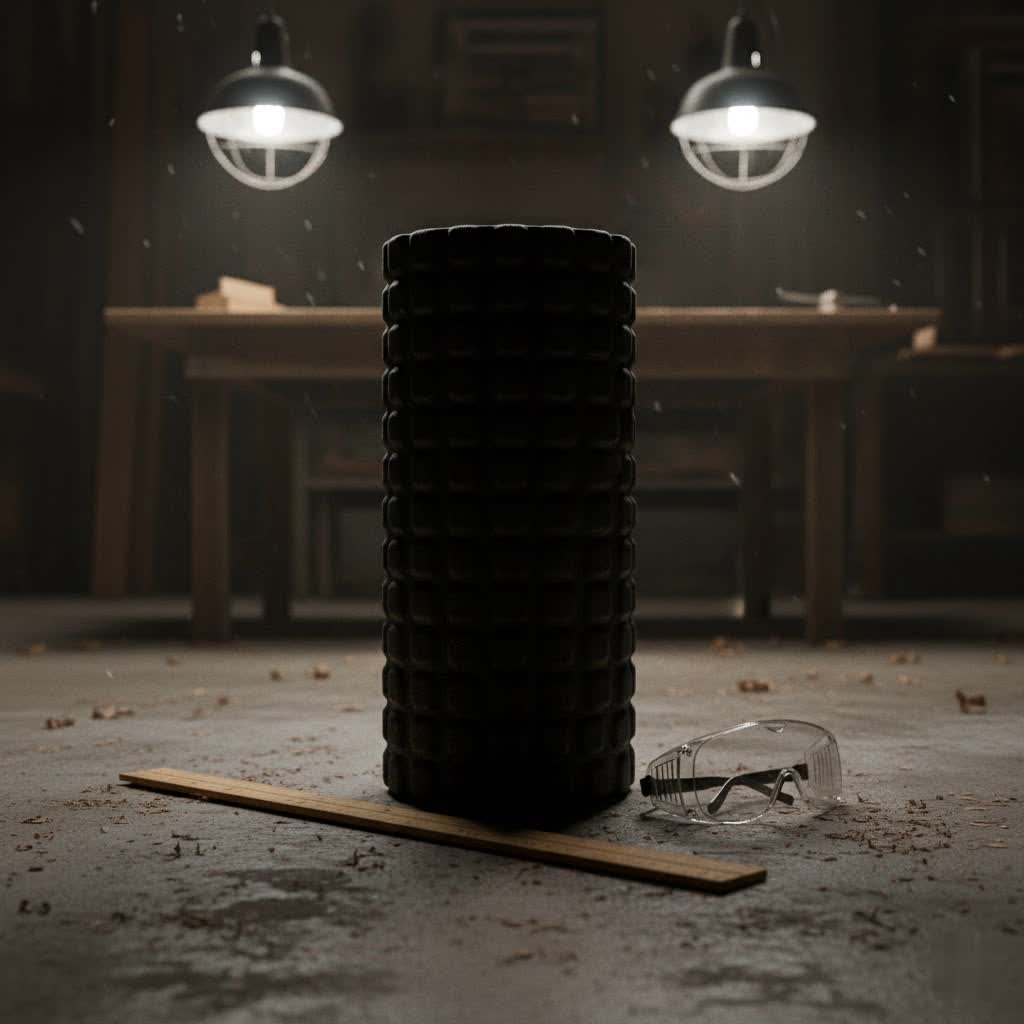
At its core, a myofascial foam roller is a cylindrical tool, typically made from dense foam, used to perform a specialized form of self-massage. Think of it as your personal deep tissue therapist, always on call. The “myofascial” part refers to the intricate web of fascia and muscle (myo) it targets. Fascia is a tough, elastic connective tissue that surrounds your muscles, organs, and bones, holding everything in place. When this fascia, or the underlying muscle, becomes constricted due to overuse, injury, poor posture, or even stress, it can form painful adhesions, often called “knots” or “trigger points.”
Self-myofascial release, through the use of a foam roller, involves applying sustained pressure to these tight areas. This pressure helps to break up adhesions, increase blood flow, and encourage the tight tissues to relax and lengthen. The goal isn’t just temporary relief; it’s about restoring optimal muscle function, improving tissue health, and enhancing the overall mobility of your body.
Unlocking the Power: The Benefits of Myofascial Foam Rolling
The advantages of incorporating myofascial foam rolling into your routine are extensive and impactful, touching every aspect of your physical well-being.
- Relief from Muscle Tightness, Soreness, and Inflammation: By directly targeting congested areas, a foam roller can effectively alleviate the discomfort associated with tight muscles, reduce inflammation, and soothe general soreness. It’s like ironing out the kinks in your body.
- Boosts Flexibility and Joint Range of Motion (ROM): Regular foam rolling helps to lengthen tight muscles and fascia, which in turn can significantly improve the flexibility of your soft tissues and increase the range of motion in your joints. This means you can move more freely and efficiently, whether reaching for a high shelf or performing a deep squat.
- Accelerates Recovery and Reduces DOMS: For anyone who engages in physical activity, Delayed Onset Muscle Soreness (DOMS) is a familiar foe. Foam rolling, especially post-exercise, aids in speeding up muscle recovery by increasing circulation and helping to flush out metabolic waste products, thus reducing the severity and duration of DOMS.
- Enhances Athletic Performance and Movement Efficiency: When your muscles are supple and your fascia is free from restrictions, your body can move with greater power and precision. This translates to improved athletic performance, better balance, and enhanced neuromuscular efficiency, meaning your brain and muscles communicate more effectively.
- Aids in Injury Prevention and Overall Musculoskeletal Health: Perhaps one of the most crucial benefits is its role in prevention. By addressing muscle imbalances and stiffness before they escalate, foam rolling can help ward off injuries. It promotes long-term musculoskeletal health, ensuring your bones, muscles, and tendons work together harmoniously as you age. As Dr. Lena Petrov, a seasoned Sports Physiotherapist, often states, “Foam rolling is a foundational pillar of preventative care. It empowers individuals to take proactive steps in their own physical well-being, heading off many common aches and pains before they become debilitating issues.”
Choosing Your Perfect Partner: Types of Myofascial Foam Rollers
Selecting the right myofascial foam roller can feel a bit like choosing a new pair of running shoes – there are many options, and what works best depends on your needs and experience level.
- Density: Foam rollers come in various densities, from soft to extra-firm.
- Softer Rollers: Great for beginners, sensitive individuals, or those with acute pain. They provide a gentler massage experience.
- Firmer Rollers: Offer more intense pressure, ideal for experienced users, larger muscle groups, or deeper, more stubborn knots.
- Texture: You’ll find rollers with smooth surfaces, as well as those with textured patterns (like grids, knobs, or ridges).
- Smooth Rollers: Provide uniform pressure and are generally more comfortable for beginners.
- Textured Rollers: Designed to mimic the fingers, thumbs, and palms of a massage therapist, offering a more targeted and intense release on specific trigger points.
- Size and Shape:
- Standard Rollers (6×36 inches): Versatile for larger areas like the back, hamstrings, and quads.
- Half-Size Rollers (6×18 inches): More portable and can be useful for smaller areas or for stability work.
- Smaller Rollers & Balls (e.g., lacrosse balls): Excellent for pinpoint accuracy on smaller, harder-to-reach muscles like the glutes, pectorals, or feet, where a larger roller might be too broad.
Ultimately, the best myofascial foam roller for you is one you’ll use consistently. Many people start with a medium-density smooth roller and then progress to firmer or more textured options as their body adapts and their needs evolve.
Mastering the Roll: Detailed Techniques for Key Muscle Groups
The key to effective myofascial foam rolling is slow, deliberate movement and listening to your body. When you find a tender spot, pause and hold pressure for 30 to 90 seconds, allowing the muscle to relax. Breathe deeply throughout.
How do I foam roll my calves?
|
Our Picks for the Best Foam Roller in 2026
As an Amazon Associate I earn from qualifying purchases.
|
||
| Num | Product | Action |
|---|---|---|
| 1 | Amazon Basics High Density Foam Roller |

|
| 2 | Tiger Ball Peanut 2.4 Foam Roller – Deep Tissue Massage Ball for Back & Neck, Myofascial Trigger Point Therapy Tool, Dual Silicone Balls with Gription – Compact, Portable, Non-Slip Recovery Roller |
|
| 3 | Amazon Basics High Density Foam Roller |
|
| 4 | High Density Foam Roller Massager for Deep Tissue Massage of The Back and Leg Muscles - Self Myofascial Release of Painful Trigger Point Muscle Adhesions - 13" Blue |
|
| 5 | Amazon Basics High Density Foam Roller |
|
| 6 | TriggerPoint Grid 1.0 Foam Roller - 13" Multi-Density Massage Roller for Deep Tissue & Muscle Recovery - Relieves Tight, Sore Muscles & Kinks, Improves Mobility & Circulation - Targets Key Body Parts |
|
| 7 | Amazon Basics High Density Foam Roller |
|
| 8 | 321 Strong Foam Roller - Medium Density Deep Tissue Massager for Muscle Massage and Myofascial Trigger Point Release, with 4K eBook |
|
| 9 | Amazon Basics High Density Foam Roller |
|
| 10 | Yes4All High-Density EPP Round Back Roller Foam, Exercise Foam Roller for Yoga, Pilates & Stretching - 12, 18, 24, 36 inch |
|
To roll your calves, sit on the floor with the foam roller under one calf, and support yourself with your hands behind you. You can stack your other leg on top for increased pressure. Slowly roll back and forth from just above your ankle to below your knee. When you encounter a tender spot, hold still, allowing the pressure to sink in for at least 30 seconds until the discomfort lessens.
What’s the best way to foam roll tight hamstrings?
Tight hamstrings can often contribute to lower back pain. To target them, sit on the foam roller, placing it under one thigh. Use your hands for support and your other leg to help control movement and pressure. Roll slowly from just below your glutes down towards your knee. Hold on any sensitive areas. Many find that slightly rotating their leg inward or outward can help target different parts of the hamstring muscle.
Can I use a foam roller for my upper back?
Absolutely, and it’s incredibly effective for releasing tension in the thoracic spine (upper and middle back). Lie on your back with the foam roller placed horizontally across your upper back, just below your shoulder blades. Cross your arms over your chest or place your hands behind your head to support your neck. Lift your hips slightly off the floor and slowly roll up and down, avoiding the lower back entirely. If you find a particularly tight spot, you can pause, breathe, and even gently arch your back over the roller to deepen the stretch.
How to foam roll quads and IT bands effectively?
For your quadriceps, lie face down, placing the roller under your thighs. Support yourself on your elbows and slowly roll from your hips to just above your knees. To target the Iliotibial (IT) band, lie on your side with the roller just below your hip, supporting your upper body with your forearms. Roll slowly down your outer thigh towards your knee. Be warned: the IT band can be very tender, so go gently!
What areas should I avoid with a foam roller?
While beneficial for many areas, some spots require caution. Always avoid foam rolling directly on bony prominences or joints. Critically, do not foam roll your lower back directly, as it can put undue stress on your lumbar spine. Instead, focus on the surrounding muscles like the glutes, hips, and hamstrings, which often contribute to lower back tightness. If you have any medical conditions, injuries, or pain that worsens with foam rolling, consult a healthcare professional.
Integrating Foam Rolling into Your Daily Routine
The real magic of the myofascial foam roller comes with consistent application. It’s more than just a quick fix; it’s a lifestyle adjustment.
- Pre-Workout Warm-up: A short foam rolling session (5-10 minutes) before exercise can help prepare your muscles for activity, increasing blood flow and improving elasticity. This can make your warm-up more effective and enhance your performance.
- Post-Workout Cool-down: After your workout, foam rolling can be an excellent way to kickstart the recovery process, reducing muscle soreness and promoting relaxation. Aim for 10-15 minutes, focusing on the muscles you’ve just worked.
- General Maintenance and Stress Relief: Even on non-workout days, a 5-10 minute session can help maintain muscle pliability and release daily tension, especially if you spend a lot of time sitting or standing. It’s a great way to unwind.
The key is to listen to your body and make it a habit. Start with shorter sessions and gradually increase duration as your body adapts. Consistency triumphs over intensity.
Frequently Asked Questions (FAQs)
What is the difference between foam rolling and stretching?
Foam rolling, or self-myofascial release (SMR), addresses muscle and fascia adhesions to improve tissue quality and extensibility. Stretching, on the other hand, focuses on lengthening the muscle fibers themselves. While both improve flexibility, foam rolling prepares the tissue for more effective stretching and directly targets “knots.”
How long should I foam roll each muscle group?
For general warm-up, 30-60 seconds per muscle group is usually sufficient. For targeting specific tender spots or trigger points, hold pressure for 30-90 seconds until the discomfort noticeably reduces. Don’t overdo it; intense, prolonged pressure can sometimes cause bruising or irritation.
Can foam rolling be painful?
Yes, especially when you’re hitting a tight spot or a trigger point. It’s often described as a “good pain” or “sweet pain” – a deep, intense pressure that gradually subsides as the tissue relaxes. If the pain is sharp, unbearable, or radiating, stop immediately and reassess your technique or consult a professional.
Is foam rolling good for back pain?
Foam rolling can be beneficial for back pain, particularly upper and mid-back tension, by releasing tight muscles in those areas and improving thoracic mobility. However, direct foam rolling of the lumbar (lower) spine is generally not recommended due to the risk of exacerbating issues. Instead, focus on releasing tightness in the glutes, hips, and hamstrings, which can indirectly alleviate lower back stress.
How often should I use a myofascial foam roller?
For optimal benefits, aiming for 3-5 times a week is a great goal. However, even 2-3 times a week can yield significant improvements. What’s most important is consistency; integrate it into your routine in a way that feels sustainable for you.
Your Journey to Better Movement Starts Now
The myofascial foam roller is far more than a simple piece of equipment; it’s a gateway to improved mobility, accelerated recovery, and a proactive approach to your physical health. By dedicating just a few minutes each day, you can release nagging tension, enhance your body’s natural capacity for movement, and safeguard against future discomfort. Whether you’re an elite athlete striving for an edge, a weekend warrior battling post-exercise soreness, or simply someone looking to move through life with greater ease, the myofascial foam roller offers a powerful, accessible solution. So, grab a roller, discover its transformative power, and start building a more resilient, mobile you.
