Have you ever finished a tough workout, feeling that familiar ache creep into your muscles, or perhaps found yourself stiff after a long day at your desk? If so, then a muscle roller foam might just become your new best friend. This incredible tool offers a simple yet profoundly effective way to tend to your body, promoting recovery, boosting flexibility, and easing those persistent muscle knots. Let’s dive deep into why this cylindrical marvel is a game-changer for anyone looking to optimize their physical well-being.
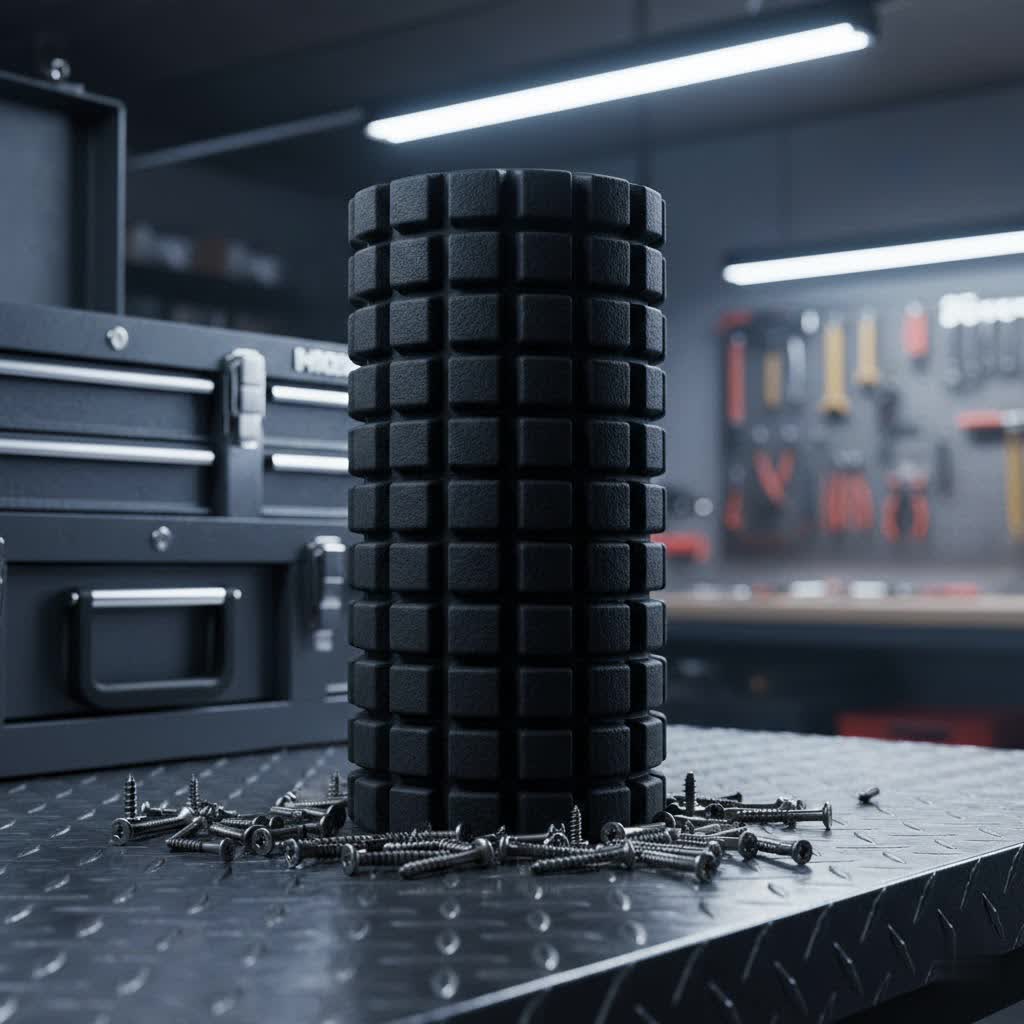
What Exactly is a Muscle Roller Foam and How Does it Work?
At its core, a muscle roller foam is a self-myofascial release (SMR) tool. Think of it as giving yourself a deep tissue massage, but on your own terms and in the comfort of your home. Fascia is the connective tissue that surrounds and intertwines with your muscles, bones, and organs. Over time, due to exercise, poor posture, or even daily stress, this fascia can tighten and develop “knots” or “trigger points.” These tight spots restrict movement, cause pain, and can hinder your muscles from performing optimally.
When you use a muscle roller foam, you apply sustained pressure to these specific areas, gently compressing and stretching the fascia and muscle fibers. This process helps to break up adhesions, increase blood flow to the targeted muscles, and encourage the tissues to relax and lengthen. The result? Reduced tension, improved elasticity, and a greater range of motion.
Unlocking the Benefits: Why Everyone Needs a Foam Roller
The advantages of incorporating a muscle roller foam into your routine are far-reaching, impacting everything from athletic performance to everyday comfort.
- Ease Muscle Pain and Soreness: One of the most celebrated benefits is its ability to alleviate post-workout muscle soreness. By increasing blood flow and reducing inflammation, a foam roller helps speed up the recovery process, making those dreaded delayed onset muscle soreness (DOMS) days a little more bearable.
- Increase Flexibility and Range of Motion: Regular foam rolling can significantly improve your flexibility. By releasing tightness in your muscles and fascia, it allows your body to move through its full range of motion more freely, which is crucial for both athletic performance and daily activities.
- Boost Blood Circulation and Nutrient Delivery: The pressure applied by a muscle roller foam encourages better blood flow to the muscles. This enhanced circulation means more oxygen and vital nutrients reach your tissues, aiding in repair and overall muscle health.
- Aid in Muscle Recovery and Reduce Inflammation: Foam rolling can help reduce inflammation by promoting the exchange of anti-inflammatory proteins, contributing to faster muscle recovery after strenuous activity.
- Improve Posture and Reduce Tension: For many who spend hours hunched over desks, foam rolling can be a powerful ally. By releasing tension in tight muscles, particularly in the back and chest, it can help correct muscle imbalances and promote better, more aligned posture. [cite: 3, 4 (benefits)]
- Reduce Stress and Promote Relaxation: While more research is needed, many individuals find the act of foam rolling to be incredibly relaxing. Releasing physical tension often translates to a reduction in mental stress, helping you feel calmer and more at ease.
As Dr. Anya Sharma, a leading sports physiotherapist, often emphasizes, “A muscle roller foam isn’t just a gym accessory; it’s a vital tool for body maintenance. Consistent, correct use can significantly enhance your body’s natural recovery processes and unlock greater mobility, preventing many common aches before they even start.”
Choosing Your Perfect Match: Types of Muscle Roller Foams
Navigating the world of muscle roller foams can feel a bit overwhelming with so many options. Here’s what to consider to find the right one for you:
Density Matters: Soft, Medium, or Firm?
The density of your foam roller is perhaps the most crucial factor, as it dictates the intensity of the massage.
- Soft (Low-Density) Rollers: These are typically white or light-colored and offer a gentler experience. Perfect for beginners, individuals with sensitive muscles, or those recovering from injuries, they provide a moderate pressure that helps you get accustomed to the technique. [cite: 1, 2, 4, 5 (types)]
- Medium-Density Rollers: Often blue or red, these strike a balance between comfort and effectiveness. They provide enough pressure to be therapeutic without being overly intense, making them suitable for most users.
- Firm (High-Density) Rollers: Usually black, these are designed for experienced users or those craving a deep tissue massage. They offer maximum pressure for breaking down stubborn knots and are highly durable for long-term use. [cite: 1, 2, 4, 5 (types)]
|
Our Picks for the Best Foam Roller in 2026
As an Amazon Associate I earn from qualifying purchases.
|
||
| Num | Product | Action |
|---|---|---|
| 1 | Amazon Basics High Density Foam Roller |

|
| 2 | High Density Foam Roller Massager for Deep Tissue Massage of The Back and Leg Muscles - Self Myofascial Release of Painful Trigger Point Muscle Adhesions - 13" Blue |
|
| 3 | 321 Strong Foam Roller - Medium Density Deep Tissue Massager for Muscle Massage and Myofascial Trigger Point Release, with 4K eBook |
|
| 4 | Tiger Ball Peanut 2.4 Foam Roller – Deep Tissue Massage Ball for Back & Neck, Myofascial Trigger Point Therapy Tool, Dual Silicone Balls with Gription – Compact, Portable, Non-Slip Recovery Roller |
|
| 5 | Amazon Basics High Density Foam Roller |
|
| 6 | Amazon Basics High Density Foam Roller |
|
| 7 | Yes4All High-Density EPP Round Back Roller Foam, Exercise Foam Roller for Yoga, Pilates & Stretching - 12, 18, 24, 36 inch |
|
| 8 | Amazon Basics High Density Foam Roller |
|
| 9 | Amazon Basics High Density Foam Roller |
|
| 10 | TriggerPoint Grid 1.0 Foam Roller - 13" Multi-Density Massage Roller for Deep Tissue & Muscle Recovery - Relieves Tight, Sore Muscles & Kinks, Improves Mobility & Circulation - Targets Key Body Parts |
|
Texture Talk: Smooth vs. Textured
Beyond density, the surface texture plays a significant role in your foam rolling experience.
- Smooth Foam Rollers: These provide even pressure across the entire length of the muscle. They are ideal for beginners due to their less intense feel and are generally more affordable.
- Textured Foam Rollers: Featuring ridges, knobs, or grid patterns, these rollers are designed to mimic the hands of a massage therapist. They dig deeper into muscle knots for more targeted relief, making them great for experienced users looking to address stubborn tight spots.
Size and Shape for Every Need
Foam rollers come in various lengths and even different shapes to target specific areas effectively.
- Long Rollers (around 36 inches): These are the most versatile, offering stability and allowing you to roll out larger muscle groups like your back, quads, and hamstrings. They are an excellent starting point for most beginners.
- Medium Rollers (13-24 inches): More portable, these are handy for targeting smaller muscle groups like arms and calves, while still being versatile enough for many uses.
- Short Rollers (4-12 inches): Super compact and ideal for travel or pinpointing very specific, smaller areas such as your feet, neck, or shoulders.
- Half-Round Foam Rollers: These are flat on one side and curved on the other, making them excellent for balance exercises and core training, especially for beginners or those with limited strength. [cite: 4, 5 (types)]
- Foam Massage Sticks and Balls: While not traditional rollers, these tools extend the reach of SMR. Sticks are great for targeting legs and upper back, while small, firm balls (like lacrosse balls) are perfect for pinpointing deep knots in hard-to-reach areas such as glutes, shoulders, or feet. [cite: 2, 5 (types)]
Mastering the Roll: Essential Techniques for Key Muscle Groups
Using a muscle roller foam effectively means understanding proper technique. Always move slowly and deliberately, applying gentle yet firm pressure. When you find a tender spot or “knot,” pause and hold the pressure for 10-30 seconds, allowing the muscle to relax. Remember to breathe deeply throughout.
Quads & Hamstrings
To roll your quads (front of thighs), lie face down with the roller under your upper thighs. Prop yourself on your forearms and slowly roll from just below your hip bones to above your knees. For hamstrings (back of thighs), sit with the roller under your thighs, supporting yourself with your hands behind you. Lift your hips and roll from your glutes to just above your knees. You can cross one leg over the other to increase pressure on one side. [cite: 1, 2, 4, 5 (how to use)]
Calves
Sit on the floor with the roller under one or both calves. Lift your body with your hands and slowly roll from your ankles to just below your knees. To intensify the pressure, cross one leg over the other. Rotate your leg slightly inward and outward to target different parts of the calf muscle. [cite: 1, 5 (how to use)]
Glutes & Hip Flexors
For glutes, sit on the roller with one hand on the floor and the other supporting you or crossed over your chest. Cross one ankle over the opposite knee and lean into the glute of the crossed leg, rolling slowly. For hip flexors, lie face down, placing the roller under one hip flexor (the front of your hip) while the other leg rests comfortably. Use your forearms to control the roll, moving gently side to side. [cite: 1, 2, 4 (how to use)]
Upper Back (Thoracic Spine)
Sit with the roller placed under your mid-back, knees bent, feet flat. Cross your arms over your chest or place hands behind your head for support. Lift your hips slightly and use your feet to gently roll from your shoulder blades down to your mid-back. Avoid rolling directly on your lower back. [cite: 2, 4 (how to use)]
Lats & Shoulders
Lie on your side with your arm extended overhead and the roller positioned under your lat (side of your upper back, below the armpit). Use your supporting hand and legs to gently roll back and forth, focusing on loosening muscle fibers. For shoulders, a smaller roller or massage ball is often more effective to pinpoint specific areas. [cite: 4 (how to use)]
Avoiding the Pitfalls: Common Muscle Roller Foam Mistakes
Even with the best intentions, it’s easy to fall into common foam rolling traps. Knowing what to avoid ensures you get the most benefit without causing harm.
- Rolling Too Fast: Speed isn’t your friend here. Rolling too quickly means you’re just skimming the surface and not allowing your tissues enough time to respond and release tension. Slow, deliberate movements are key. [cite: 2, 3, 5 (mistakes)]
- Applying Too Much or Too Little Pressure: Foam rolling shouldn’t be excruciatingly painful, but it also shouldn’t feel like nothing. Aim for a “good discomfort” level—you should be able to breathe through it. Too much pressure can cause bruising or inflammation, while too little will be ineffective. [cite: 4, 5 (mistakes)]
- Rolling Directly on Pain or Lower Back: Instinct tells us to go straight to the pain, but this can often worsen the issue, especially with acute injuries. For instance, avoid rolling directly on your lower back as it can trigger protective muscle spasms; instead, focus on surrounding areas like your glutes, hips, and quads. [cite: 3, 4 (mistakes)]
- Ignoring Proper Posture: Foam rolling often requires you to support your body in various positions. Neglecting your core engagement and proper alignment can reinforce bad posture or even lead to new issues. Keep your core tight and your body stable. [cite: 3 (mistakes)]
- Rolling the IT Band Incorrectly: The iliotibial (IT) band is connective tissue, not a muscle, meaning you can’t “loosen” it in the traditional sense. Aggressively rolling it can cause inflammation. Instead, focus on the muscles that attach to it, like the glutes and quads. [cite: 3, 4 (mistakes)]
- Not Rolling the Entire Muscle Length: Don’t just stay on one tender spot. To effectively reduce stiffness and soreness, ensure you roll along the entire length of the muscle, moving slowly back and forth, and even side to side, to cover all the fascia. [cite: 1 (mistakes)]
Integrating Foam Rolling into Your Daily Routine
A muscle roller foam isn’t just for elite athletes. It’s a versatile tool that can benefit nearly everyone. You can incorporate it into your routine in several ways:
- Pre-Workout Warm-up: A quick 5-10 minute session before exercise can help activate muscles, increase blood flow, and improve your range of motion, preparing your body for activity and potentially reducing injury risk. [cite: 1, 2 (how to use)]
- Post-Workout Cool-down: After your workout, foam rolling can be a crucial part of your recovery. It helps to loosen tight muscles, reduce soreness, and promote relaxation, speeding up your body’s repair process. [cite: 1, 2 (how to use)]
- Daily Maintenance: Even if you don’t exercise regularly, if you have a sedentary job or experience general aches and stiffness, a short daily foam rolling session can make a significant difference in managing muscle tension and improving overall mobility. Many find it to be a relaxing way to unwind and de-stress. [cite: 1, 2 (benefits)]
Frequently Asked Questions About Muscle Roller Foam
How long should I foam roll?
For general muscle groups, aim for 30-60 seconds. If you find a particularly tight spot, you can hold pressure for 10-30 seconds, or gently roll over it for up to 1-2 minutes, but avoid staying on one area for too long to prevent bruising. [cite: 2, 4, 5 (mistakes)]
Does foam rolling hurt?
It can be uncomfortable, especially on tight or sore areas, but it should not be excruciating. Aim for a sensation of “good pain” or deep pressure that you can tolerate and breathe through. If it’s too painful, reduce the pressure or move to a softer roller. [cite: 4, 5 (how to use)]
Can I foam roll every day?
Yes, you can foam roll daily, but listen to your body. Short, consistent sessions are often more beneficial than infrequent, aggressive ones. Limit total foam rolling time to around 20 minutes per session to avoid overdoing it. [cite: 5 (mistakes)]
What’s the difference between smooth and textured foam rollers?
Smooth rollers provide even, gentler pressure, ideal for beginners or sensitive areas. Textured rollers have ridges or knobs that mimic deep tissue massage, offering more targeted and intense pressure for experienced users and stubborn knots.
Can foam rolling help with back pain?
For upper back pain, foam rolling can be very effective in releasing tension. However, it’s generally recommended to avoid rolling directly on the lower back, as it can cause spasms. Instead, focus on supporting muscles like the glutes, hips, and core to indirectly alleviate lower back discomfort. [cite: 1, 3 (benefits), 3 (mistakes)]
Conclusion
The muscle roller foam is more than just a piece of exercise equipment; it’s a powerful tool for self-care and recovery that can profoundly impact your physical comfort and athletic performance. By understanding its benefits, choosing the right type for your needs, and mastering proper techniques while avoiding common mistakes, you can unlock a new level of muscular health and mobility. So, whether you’re an athlete pushing your limits or simply someone seeking relief from daily aches, embrace the power of the muscle roller foam and experience the transformative benefits of consistent self-myofascial release. Your muscles will thank you!
