Ever feel like your muscles are holding a secret meeting without you, leaving you stiff, sore, and just plain uncomfortable? Whether you’re an athlete pushing your limits, a desk warrior battling daily stiffness, or simply someone looking to feel better in your own skin, the Foam Roller might just be the unsung hero you need. This simple cylindrical tool has transformed the way many approach muscle recovery and flexibility, offering a powerful, accessible way to soothe aches, boost performance, and enhance overall well-being. Dive in with us as we explore everything you need to know about the foam roller – from its fundamental benefits to mastering its techniques, ensuring you position yourself for optimal recovery and a more flexible, pain-free life.
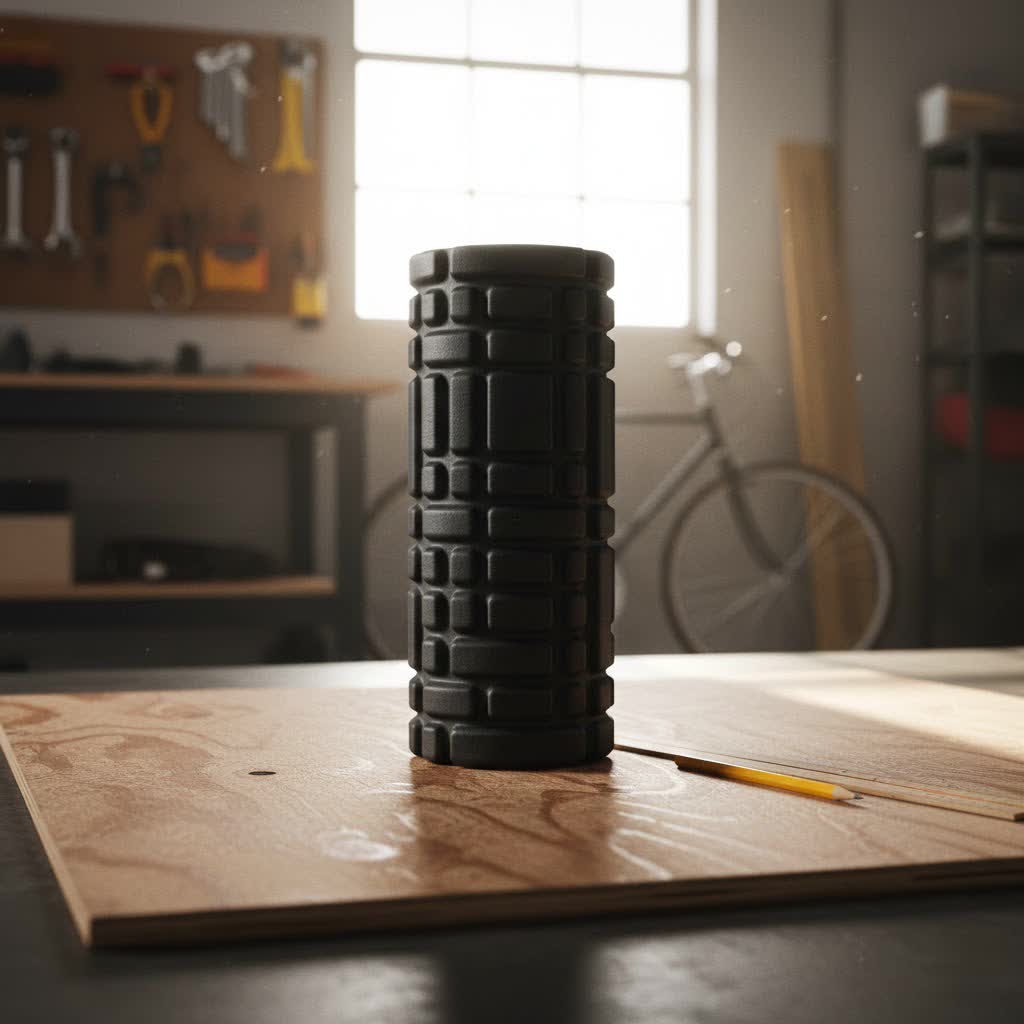
What is a Foam Roller and How Does it Work its Magic?
At its core, a foam roller is a tool used for self-myofascial release (SMR) – essentially, it’s a way to give yourself a deep tissue massage. Think of it as a rolling pin for your muscles, designed to iron out the kinks and knots that build up over time. But how exactly does this seemingly simple piece of foam achieve such noticeable results?
Our bodies are encased in a web-like connective tissue called fascia, which surrounds and interpenetrates muscles, bones, nerves, and organs. Ideally, this fascia is smooth and flexible, allowing your muscles to glide effortlessly. However, factors like strenuous exercise, prolonged inactivity, poor posture, or injury can cause the fascia to become tight, sticky, and form adhesions – what many refer to as “muscle knots” or “trigger points.” When this happens, movement becomes restricted, and pain often follows.
Foam rolling works by applying sustained pressure to these tight spots, helping to break up those adhesions and encourage the fascia to return to its healthy, pliable state. This direct pressure, combined with the rolling motion, also increases blood flow to the targeted area, bringing in vital oxygen and nutrients while flushing out metabolic waste. Some theories also suggest that foam rolling stimulates nerve receptors, signaling your brain to relax the muscle, leading to an immediate sense of release and improved flexibility. It’s a fantastic combination of physical manipulation and neurological feedback, working together to unlock your body’s natural recovery processes.
The Transformative Benefits of Embracing Foam Rolling
Integrating a foam roller into your routine can usher in a cascade of positive changes for your body. The benefits extend far beyond just feeling good; they contribute significantly to athletic performance, injury prevention, and daily comfort.
Finding Freedom from Muscle Pain and Soreness
|
Our Picks for the Best Foam Roller in 2026
As an Amazon Associate I earn from qualifying purchases.
|
||
| Num | Product | Action |
|---|---|---|
| 1 | High Density Foam Roller Massager for Deep Tissue Massage of The Back and Leg Muscles - Self Myofascial Release of Painful Trigger Point Muscle Adhesions - 13" Blue |

|
| 2 | 321 Strong Foam Roller - Medium Density Deep Tissue Massager for Muscle Massage and Myofascial Trigger Point Release, with 4K eBook |
|
| 3 | Yes4All High-Density EPP Round Back Roller Foam, Exercise Foam Roller for Yoga, Pilates & Stretching - 12, 18, 24, 36 inch |
|
| 4 | TriggerPoint Grid 1.0 Foam Roller - 13" Multi-Density Massage Roller for Deep Tissue & Muscle Recovery - Relieves Tight, Sore Muscles & Kinks, Improves Mobility & Circulation - Targets Key Body Parts |
|
| 5 | Amazon Basics High Density Foam Roller |
|
| 6 | Amazon Basics High Density Foam Roller |
|
| 7 | Amazon Basics High Density Foam Roller |
|
| 8 | Tiger Ball Peanut 2.4 Foam Roller – Deep Tissue Massage Ball for Back & Neck, Myofascial Trigger Point Therapy Tool, Dual Silicone Balls with Gription – Compact, Portable, Non-Slip Recovery Roller |
|
| 9 | Amazon Basics High Density Foam Roller |
|
| 10 | Amazon Basics High Density Foam Roller |
|
One of the most immediate and appreciated benefits of foam rolling is its ability to alleviate muscle pain and soreness. Whether it’s the delayed onset muscle soreness (DOMS) after a challenging workout or chronic tightness from everyday stressors, foam rolling acts like a personal massage therapist, working to release tension and reduce inflammation. This can dramatically improve your comfort levels and help you bounce back quicker.
Unlocking Greater Flexibility and Range of Motion
Stiff muscles and tight fascia can severely limit your range of motion, making everyday movements feel cumbersome and hindering your performance in sports or exercise. Regular foam rolling helps to lengthen muscles and improve the elasticity of the fascia, allowing your joints to move through their full, natural range. This means deeper squats, more effective stretches, and a general feeling of fluidity in your movements.
Boosting Circulation and Accelerating Recovery
By applying pressure and stimulating blood flow, foam rolling helps deliver fresh, oxygen-rich blood to your muscles. This enhanced circulation is crucial for speeding up the recovery process, assisting in the repair of muscle tissue, and reducing post-exercise fatigue. When your muscles get what they need, they recover faster and perform better.
The Perfect Warm-up and Cool-down Companion
Think of the foam roller as your pre- and post-workout best friend. Before a workout, a quick rolling session can “wake up” your muscles, increasing blood flow and preparing them for movement, effectively acting as a dynamic warm-up. After a workout, it becomes an essential cool-down tool, helping to reduce muscle soreness and promote faster recovery, so you’re ready for your next session.
An Unexpected Ally for Relaxation and Stress Reduction
While often intense, many people find foam rolling incredibly relaxing. The act of releasing deep-seated tension in your muscles can have a calming effect on your nervous system, helping to reduce overall feelings of stress and promoting a sense of well-being. It’s a mindful practice that connects you with your body and its needs.
Choosing Your Perfect Match: Types of Foam Rollers
Just like shoes, not all foam rollers are created equal. The market offers a surprising variety, each designed for different needs and experience levels. Selecting the right one is key to maximizing your benefits and ensuring a comfortable, effective experience.
Surface Texture: Smooth vs. Textured
- Smooth Foam Rollers: These are the most basic type, offering an even, consistent pressure across the entire length. They’re an excellent starting point for beginners or anyone with sensitive muscles, providing a gentler introduction to SMR. They are also generally more affordable.
- Textured Foam Rollers: Featuring ridges, knobs, or grid patterns, these rollers are designed to mimic the varied pressure of a massage therapist’s hands. They dig deeper into muscle knots and provide a more targeted, intense massage. These are ideal for experienced users or those dealing with stubborn areas of tension.
Density: Soft, Medium, or Firm
The density of a foam roller dictates the intensity of the pressure it applies.
- Soft (Low-Density) Rollers: Often white or lighter colors, these rollers are easily compressible and offer the gentlest pressure. They’re perfect for beginners, individuals with very sore or sensitive muscles, or those recovering from injuries.
- Medium-Density Rollers: These strike a balance between comfort and effectiveness, making them suitable for most individuals. They provide enough pressure to be effective without being overly intense.
- Firm (High-Density) Rollers: These are the go-to for experienced foam rollers, athletes, or anyone seeking a very deep tissue massage. They maintain their shape well over time and deliver significant pressure for breaking down tough knots.
Size and Shape: Beyond the Basic Cylinder
- Long (36 inches) Rollers: These are the most versatile and stable, making them excellent for rolling out large muscle groups like your back, quads, and hamstrings, and providing stability for beginners.
- Medium (24 inches) Rollers: A good compromise, offering enough length for many muscle groups while being more portable.
- Short (4-12 inches) Rollers: Highly portable and perfect for targeting smaller, more specific areas like the feet, arms, or shoulders, making them ideal for travel.
- Half-Round Rollers: These resemble a foam roller cut in half lengthwise. They are great for balance work, foot massages (especially for plantar fasciitis), and specific leg stretches.
- Foam Balls and Rolling Sticks: These specialized tools allow for highly targeted pressure on smaller, hard-to-reach areas like the glutes, shoulders, or trigger points in the calves. Rolling sticks are handheld, giving you more control over the pressure.
Specialized Rollers
Beyond the traditional, you might encounter vibrating foam rollers, which use internal motors to add a percussive element, or even heat and cold rollers that integrate temperature therapy. These can offer unique benefits, though they often come with a higher price tag.
Mastering the Roll: Essential Foam Rolling Techniques
Using a foam roller effectively isn’t about speed or brute force; it’s about controlled, deliberate movements and listening to your body. Here’s how to approach foam rolling for optimal results:
General Principles for Effective Rolling
- Go Slow and Steady: Avoid rapid rolling. Move slowly, about an inch per second, allowing your muscles time to adapt to the pressure.
- Pinpoint the Tender Spots: As you roll, you’ll likely encounter areas that feel more sensitive or “knotty.” These are your trigger points.
- Hold and Breathe: When you find a tender spot, pause and hold your position for 10-60 seconds. Breathe deeply and try to relax into the pressure. This allows the muscle to release tension.
- Use Your Body Weight: Adjust the amount of pressure by shifting your body weight. You should feel discomfort, but never sharp, searing pain. If it’s too intense, support some of your weight with your hands or the other leg.
- Avoid Joints and Bones: Never roll directly over joints (like knees or elbows) or bony prominences. Focus on the muscle belly.
- Engage Your Core: Keeping your core engaged will help stabilize your body and protect your lower back, especially when rolling larger muscle groups.
Targeted Techniques for Key Muscle Groups
Let’s break down some essential techniques for common areas of tightness. Remember to perform each roll for about 30-60 seconds, pausing on tender spots.
### Quads (Front of Thighs)
Lie face down with the foam roller horizontally under your upper thighs. Prop yourself up on your forearms. Slowly roll from just above your knees to your hip flexors. You can slightly shift your weight to one side to target the inner or outer quad more effectively.
### Hamstrings (Back of Thighs)
Sit on the floor with the foam roller under your hamstrings. Place your hands on the floor behind you for support. Roll slowly from just above your knees to your glutes. For more intense pressure, cross one leg over the other to roll one hamstring at a time.
### Calves
Sit with the foam roller under one calf, with the other leg bent or crossed over the top for added pressure. Use your hands for support and lift your hips. Roll slowly from your ankle to just below your knee. Rotate your leg slightly inward and outward to hit different parts of the calf muscle.
### Glutes (Buttocks)
Sit on the foam roller, placing it under one glute. Cross the ankle of that leg over the opposite knee. Lean into the side you’re rolling and slowly move back and forth, or gently rotate to target different areas of the glute.
### IT Band (Outer Thigh)
Lie on your side with the foam roller under your outer thigh, just below your hip. Support yourself with your hands and the foot of your other leg on the floor. Slowly roll from just below your hip to just above your knee. This can be intense, so adjust pressure by putting more weight on your supporting leg.
### Upper Back (Thoracic Spine)
Lie on your back with the foam roller under your shoulder blades, hands behind your head for support (or crossed over your chest). Lift your hips slightly and use your feet to gently roll from your mid-back up to your shoulders. Avoid rolling into your lower back or neck.
### Lats (Sides of Upper Back)
Lie on your side with your arm extended overhead and the foam roller under your lat muscle (under your armpit). Use your other hand and legs for support. Slowly roll up and down the side of your torso, focusing on any tight areas.
Integrating Foam Rolling into Your Daily Recovery Routine
Making foam rolling a consistent habit is where the real magic happens. It shouldn’t just be an emergency fix for when you’re in pain, but a proactive step in your wellness journey.
- Pre-Workout Power-Up: Incorporate 5-10 minutes of foam rolling before your workout. Focus on the muscle groups you’re about to train. This primes your muscles, increases blood flow, and can enhance your performance by improving mobility.
- Post-Workout Chill-Out: Dedicate 10-15 minutes to foam rolling after your exercise session. This is crucial for cooling down, reducing muscle soreness, and kick-starting the recovery process. Target the muscles you just worked hard.
- Daily Maintenance for Modern Life: Even if you don’t hit the gym, foam rolling can be incredibly beneficial. If you spend hours sitting at a desk or standing on your feet, a quick 5-minute roll in the morning or evening can alleviate tension in your hips, back, and shoulders, improving your posture and overall comfort.
As Dr. Evelyn Reed, a leading physical therapist specializing in athletic recovery, often says, “Think of foam rolling as daily maintenance for your body. You wouldn’t skip brushing your teeth, so why skip caring for your muscles? Consistency is the secret sauce to unlocking true, lasting mobility and comfort.”
Foam Rolling: More Than Just Muscle Recovery
The benefits of foam rolling extend beyond simply making your muscles feel better. It plays a vital role in several aspects of your physical health and overall well-being.
- Postural Improvement: By releasing tightness in the chest, upper back, and hip flexors, foam rolling can help correct muscle imbalances that contribute to poor posture. When your muscles are relaxed and aligned, it’s easier to stand and sit tall.
- Injury Prevention: Regular foam rolling can significantly reduce your risk of injury. By improving flexibility, increasing range of motion, and ensuring your muscles are working optimally, you create a more resilient body less prone to strains, pulls, and imbalances.
- Enhanced Body Awareness: The practice of foam rolling forces you to pay attention to your body, identifying areas of tension and understanding how different movements affect you. This heightened body awareness is invaluable for self-care and knowing when to adjust your activities.
Frequently Asked Questions (FAQ) About Foam Rollers
Here are some common questions people ask about foam rolling:
Q: How long should I foam roll each muscle group?
A: Generally, you should aim for 30 to 60 seconds per muscle group, pausing for 10-30 seconds on any particularly tender spots. The key is to be slow and deliberate, not to rush through it.
Q: Can I foam roll every day?
A: Yes, for most people, daily foam rolling is safe and can be beneficial, especially for general maintenance or before/after workouts. Listen to your body; if you’re excessively sore or bruised, you might be overdoing it or using too much pressure.
Q: Is foam rolling supposed to hurt?
A: You should feel discomfort or a “good pain,” similar to a deep tissue massage. It shouldn’t be sharp, excruciating pain. If it feels too painful, ease up on the pressure or try a softer foam roller.
Q: What’s the difference between a smooth and textured foam roller?
A: A smooth foam roller provides even, consistent pressure and is gentler, making it ideal for beginners. A textured roller has ridges or knobs that dig deeper into specific muscle knots, offering a more intense and targeted massage, better suited for experienced users.
Q: Can foam rolling help with cellulite?
A: While some products claim this, there is no scientific evidence to suggest that foam rolling can permanently reduce the appearance of cellulite. It may temporarily improve skin texture due to increased blood flow, but it’s not a cellulite cure.
Q: When is the best time to foam roll?
A: Foam rolling can be beneficial both before a workout as part of your warm-up to increase mobility and after a workout to aid in recovery and reduce soreness. It’s also great for general muscle maintenance any time you feel stiff or tight.
Take the Roll Towards a Better You
The foam roller is far more than just a piece of gym equipment; it’s a powerful tool for self-care, recovery, and enhancing your body’s natural capabilities. By understanding its benefits, choosing the right type for your needs, and mastering effective techniques, you can unlock a world of improved flexibility, reduced pain, and faster recovery. So, don’t let muscle tightness hold you back any longer. Grab a foam roller, commit to a consistent routine, and discover the profound impact it can have on your physical well-being. Your muscles will thank you, and you’ll be well on your way to a more agile, comfortable, and empowered you.
