Ever felt that nagging stiffness or persistent ache in your back, making everyday movements a chore? You’re not alone. In our modern world of prolonged sitting and demanding physical activities, back pain has become an unwelcome constant for many. But what if there was a simple, accessible tool that could offer profound relief and restore your back’s natural vitality? Enter the foam roller. Mastering the Foam Roller Back Exercise isn’t just about temporary relief; it’s a game-changer for long-term spinal health, enhanced mobility, and a truly comfortable existence. At Reviewters Recovery, we believe everyone deserves to move freely and without pain, and this guide is your definitive resource to achieving just that.
What is a Foam Roller and Why Your Back Needs It?
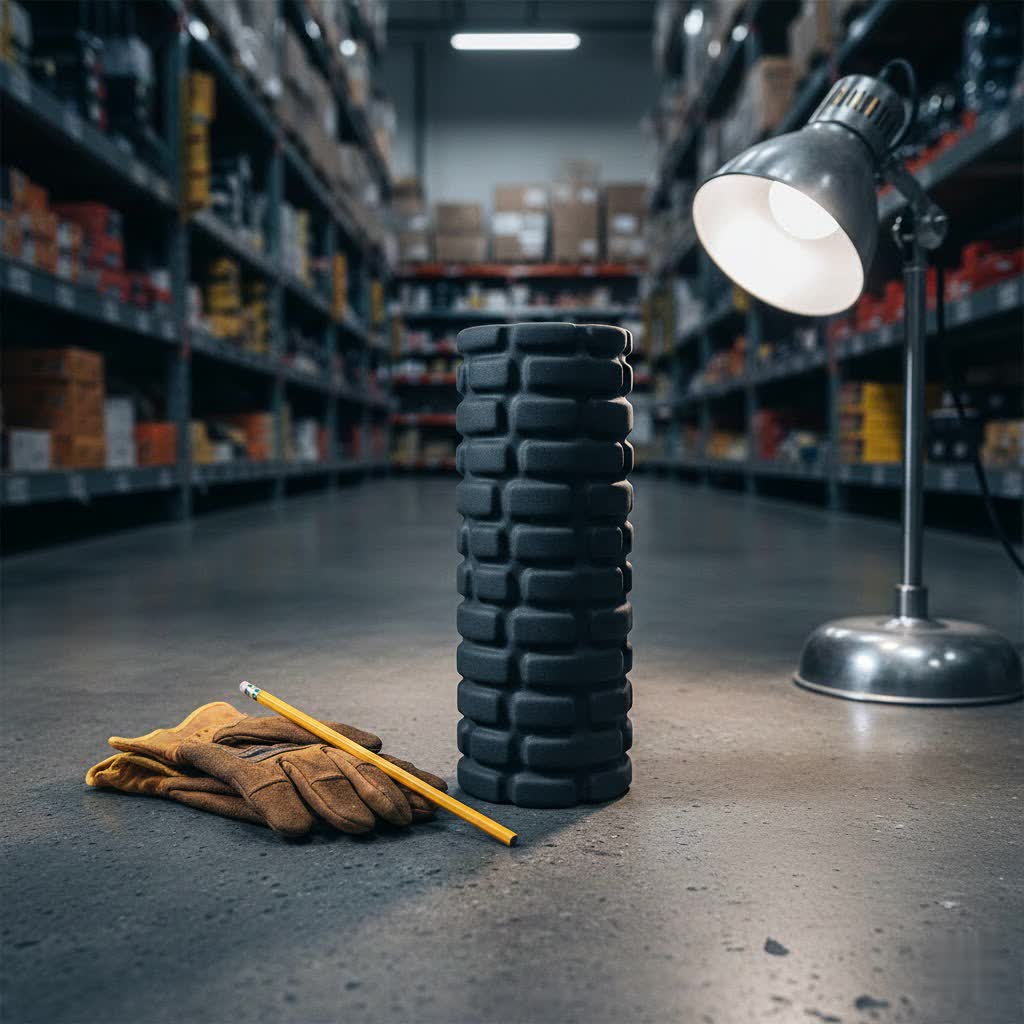
A foam roller is essentially a cylindrical piece of dense foam, but its unassuming appearance belies its power. It’s a fantastic tool for self-myofascial release (SMR), a fancy term for self-massage that targets the fascia—the connective tissue surrounding your muscles. When this fascia becomes tight or develops “knots” (also known as trigger points), it can restrict movement and cause pain, not just locally but sometimes in seemingly unrelated areas of your body.
When it comes to your back, the benefits of incorporating a foam roller into your routine are extensive. First and foremost, regular foam roller back exercise can dramatically reduce muscle stiffness and alleviate that dreaded delayed onset muscle soreness (DOMS) after a tough workout or an unusually active day. It works by applying sustained pressure to tight spots, helping to “melt away” tension and improve blood flow. This increased circulation brings vital nutrients to your muscles and helps flush out metabolic waste, promoting faster recovery and reducing inflammation.
Beyond immediate relief, foam rolling your back can significantly increase your range of motion and flexibility, particularly in the thoracic spine (your upper and middle back). This area often becomes stiff from poor posture, especially for those who spend hours hunched over screens. By improving thoracic mobility, you can alleviate strain on your neck and lower back, correct postural imbalances, and ultimately move with greater ease and efficiency. It’s also a proactive step in injury prevention, keeping your muscles pliable and less prone to strains.
Choosing Your Perfect Partner: Types of Foam Rollers for Back Relief
Just like shoes, not all foam rollers are created equal, and selecting the right one can make all the difference in your back recovery journey. Foam rollers primarily vary by density, surface texture, and size.
Density: The Core of Your Comfort
- Soft, Low-Density Rollers: These are your gentle giants, ideal for beginners or individuals with high pain sensitivity or those recovering from injury. They offer a milder pressure, allowing your muscles to ease into the self-massage process without overwhelming your system.
- Medium-Density Rollers: The all-around champions, these strike a balance between comfort and effective pressure. They’re suitable for most users once you’ve acclimatized to foam rolling.
- Firm, High-Density Rollers: For the seasoned foam roller or those seeking deep tissue release, firm rollers provide intense pressure. They’re excellent for targeting stubborn knots but should be approached with caution by newcomers. Some rollers also feature a hollow core, which can make them feel firmer while potentially being lighter.
|
Our Picks for the Best Foam Roller in 2026
As an Amazon Associate I earn from qualifying purchases.
|
||
| Num | Product | Action |
|---|---|---|
| 1 | 321 Strong Foam Roller - Medium Density Deep Tissue Massager for Muscle Massage and Myofascial Trigger Point Release, with 4K eBook |

|
| 2 | Amazon Basics High Density Foam Roller |
|
| 3 | Amazon Basics High Density Foam Roller |
|
| 4 | High Density Foam Roller Massager for Deep Tissue Massage of The Back and Leg Muscles - Self Myofascial Release of Painful Trigger Point Muscle Adhesions - 13" Blue |
|
| 5 | Amazon Basics High Density Foam Roller |
|
| 6 | Tiger Ball Peanut 2.4 Foam Roller – Deep Tissue Massage Ball for Back & Neck, Myofascial Trigger Point Therapy Tool, Dual Silicone Balls with Gription – Compact, Portable, Non-Slip Recovery Roller |
|
| 7 | Yes4All High-Density EPP Round Back Roller Foam, Exercise Foam Roller for Yoga, Pilates & Stretching - 12, 18, 24, 36 inch |
|
| 8 | TriggerPoint Grid 1.0 Foam Roller - 13" Multi-Density Massage Roller for Deep Tissue & Muscle Recovery - Relieves Tight, Sore Muscles & Kinks, Improves Mobility & Circulation - Targets Key Body Parts |
|
| 9 | Amazon Basics High Density Foam Roller |
|
| 10 | Amazon Basics High Density Foam Roller |
|
Surface Texture: Smooth or Sculpted?
- Smooth Rollers: This classic design distributes pressure evenly across the muscle. They’re the go-to for general use and are highly recommended for beginners, as they offer a consistent, less intense massage.
- Textured Rollers (Ridges, Grids, Knobs): These rollers mimic a masseuse’s fingers, thumbs, or palms, providing more targeted and intense pressure to specific trigger points. While effective for deeper work, they can be too aggressive for those new to foam rolling or with sensitive backs. It’s often best to progress to textured rollers once you’re comfortable with a smooth one.
Size and Shape: Finding Your Fit
- Long Rollers (36 inches): These are incredibly versatile and often recommended as a first foam roller, especially for your back. Their length allows them to support your entire spine from head to tailbone when placed parallel, or span your entire back when placed perpendicular, offering stability and broad coverage.
- Shorter Rollers (12-18 inches): More portable, these are great for targeted work on smaller muscle groups like arms or calves, but can be less stable for full-back exercises.
- Smaller Diameters (3-4 inches): While most standard rollers are 5-6 inches in diameter, smaller ones can offer a more intense, focused pressure, especially for smaller muscle groups or if you prefer being closer to the ground.
Reviewters Recovery Tip: For starting out with foam roller back exercise, a long (36-inch), smooth, medium-density roller is often your best bet. It provides stability and effective, yet manageable, pressure. As you become more experienced and your back adapts, you can explore firmer or textured options if you desire a deeper massage.
Mastering the Moves: Foam Roller Back Exercises for Every Zone
Before diving into specific exercises, remember these crucial safety tips:
- Roll Slowly: Don’t rush. The goal is to allow your muscles to relax and release. Slow, deliberate movements are key to effective self-myofascial release.
- Support Your Head and Neck: Especially during upper back rolls, interlace your fingers behind your head to support your neck and prevent strain.
- Avoid Direct Rolling on the Lower Back Spine: The lower back (lumbar spine) is more vulnerable. Instead of directly rolling over the bony vertebrae, focus on the muscles to the sides of the spine, or target supporting muscles like the glutes and hip flexors to alleviate lower back tension.
- Breathe Deeply: As you roll, take slow, deep breaths. This helps your muscles relax and allows for a deeper release.
- Stop if You Feel Sharp Pain: Muscle tenderness is normal, but sharp, shooting, or radiating pain is a sign to stop immediately. Consult a healthcare professional if pain persists.
Let’s explore some effective foam roller back exercises:
Upper Back (Thoracic Spine) Exercises
The upper and mid-back are often areas of stiffness, especially with desk work or driving. Improving mobility here can significantly impact your posture and overall comfort.
Upper Back Roll (Perpendicular)
What is the best way to foam roll the upper back?
This classic exercise targets the muscles around your shoulder blades and thoracic spine, helping to release tension and improve spinal extension.
- How to do it: Lie on your back with knees bent, feet flat on the floor. Place the foam roller horizontally across your upper back, just below your shoulder blades. Interlace your fingers behind your head for neck support. Gently lift your hips slightly off the floor, using your feet to control the rolling motion. Slowly roll up towards your shoulders and down towards the mid-back (avoiding the lower back). When you find a tender spot, pause for 20-30 seconds, allowing the muscle to release. Repeat 5-10 rolls.
- Why it helps: Reduces stiffness from hunching, improves posture, and increases mobility in the thoracic spine.
Pec Stretch / Spinal Alignment (Parallel)
How can I use a foam roller to improve my posture?
This exercise helps to open up your chest muscles, which often become tight from forward-leaning posture, and promotes better spinal alignment by encouraging gentle extension.
- How to do it: Lie lengthwise on the foam roller so it supports your head, entire back, and tailbone. Bend your knees, feet flat on the floor, wider than hip-width for balance. Let your arms fall out to the sides in a “T” shape, palms facing up, allowing gravity to gently stretch your chest. You can also bend your elbows to 90 degrees and slowly bring them towards the floor, then back up, mimicking snow angels for a dynamic stretch. Hold for 30-60 seconds or perform 10-15 slow repetitions.
- Why it helps: Counteracts “computer posture,” opens tight pectorals, and helps align the head, neck, and spine.
Latissimus Dorsi (Lats) Roll (Side Lying)
What foam roller exercises target the sides of my back?
Tight lats (the large muscles on your sides, beneath your armpits) can contribute to upper back and shoulder pain, and restrict arm movement. This exercise targets them effectively.
- How to do it: Lie on your side with the foam roller positioned under your armpit area. Your bottom arm should be extended along the floor for support, and your top leg can be bent with the foot on the floor for stability. Gently roll up and down from your armpit towards your mid-back, applying pressure. If you find a tender spot, hold for 20-30 seconds. Repeat on the other side.
- Why it helps: Alleviates tension below the underarms, improving upper body mobility and posture.
Lower Back (Indirect) and Supporting Muscle Exercises
Directly rolling the lumbar spine can sometimes cause irritation. Instead, focus on the muscles surrounding it, and those in the hips and glutes, which significantly impact lower back comfort.
Glute Roll (Figure-Four Position)
Can foam rolling my glutes help with lower back pain?
Absolutely. Tight glutes and hip muscles are often culprits in lower back pain. Releasing tension here can provide indirect relief to your lumbar spine.
- How to do it: Sit on top of the foam roller, placing it directly under your sitting bones (your glutes). Place your hands behind you for support. Bend your knees and keep your feet flat on the floor. Cross your right ankle over your left knee, creating a figure-four shape. Gently lean to the right side, feeling the stretch in your right glute. Roll slowly from side to side or in small circles, focusing on any tender areas. Hold for 30-60 seconds. Repeat on the other side.
- Why it helps: Releases tension in the glutes and hips, which can reduce pressure on the lower back and alleviate pain, including potential sciatica symptoms.
Hip Flexor Release
How do tight hip flexors impact my lower back?
Tight hip flexors, often exacerbated by prolonged sitting, can pull on your pelvis, leading to an exaggerated arch in your lower back and contributing to discomfort. Releasing them can restore pelvic neutrality.
- How to do it: Lie face down with the foam roller positioned horizontally just below your hip bone (at the top of your thigh/hip flexor area). You can support yourself on your elbows or hands, similar to a plank position. Slowly roll back and forth a few inches, or side to side, across the front of your hip and upper thigh. Focus on one side at a time. If you find a tight spot, hold for 20-30 seconds. Repeat on the other side.
- Why it helps: Reduces anterior pelvic tilt, eases strain on the lower back, and improves hip mobility.
Sacrum/Pelvis Release
Is it safe to foam roll my tailbone area?
While you generally avoid the lumbar spine, gentle work around the sacrum (the triangular bone at the base of your spine, above the tailbone) can be beneficial for pelvic stability and lower back relief.
- How to do it: Sit on the foam roller so it’s under your sacrum, with your head, shoulders, and upper back on the ground. Hug your knees into your chest. Gently rock your weight from side to side, allowing a subtle massage to the muscles around the sacrum. You might feel a gentle release. Continue for up to 1 minute.
- Why it helps: Releases tension in the surrounding pelvic muscles, which can impact lower back stability and comfort.
Optimizing Your Roll: Tips and Variations for Max Benefits
To truly get the most out of your foam roller back exercise, consistency and mindful practice are key.
- How Often and How Long? For general maintenance and stiffness, aim for 3-4 times per week. If you have particularly troublesome or tender spots, you can target those areas 2-3 times a day. For each muscle group or specific tender area, roll slowly for 30-120 seconds. It’s better to do shorter, more frequent sessions than one long, intense one that might cause bruising.
- Targeting Sensitive Spots: When you hit a particularly tight or painful spot (often called a “trigger point”), stop rolling and apply sustained pressure to that area for 20-30 seconds. Breathe deeply and try to relax into the pressure as the muscle releases. You should feel the tension gradually subside.
- Incorporating into Your Routine:
- Pre-Workout: A quick 5-10 minute foam roll can warm up your muscles, increase blood flow, and improve range of motion, preparing your back for exercise.
- Post-Workout: Use it to reduce muscle soreness (DOMS) and aid recovery by helping to flush out lactic acid and restore muscle length.
- Daily Relief: If you sit for long periods, a mid-day or evening foam roll can break up stiffness, alleviate tension, and reset your posture.
- Breathing and Relaxation: Never hold your breath. Focus on slow, deep breaths, especially when you’re on a tender spot. This signals your nervous system to relax, allowing your muscles to release more effectively.
- Consider Dynamic vs. Static Rolling: Dynamic rolling involves moving back and forth, while static holding involves sustained pressure on one spot. Combine both for comprehensive release.
Beyond the Roll: Holistic Back Health
While foam roller back exercise is a powerful tool, it’s part of a larger picture of holistic back health. Consistent movement, ergonomic awareness, proper lifting techniques, and strengthening your core muscles are all vital components. Think of foam rolling as a self-care ritual that complements your overall approach to a strong, pain-free back.
As Dr. Adrian Vance, lead physical therapist at Reviewters Recovery, often says, “Foam rolling is not a magic bullet, but it’s an incredibly effective daily practice. It empowers you to take charge of your muscle health, alleviating tension before it becomes chronic pain. Small, consistent efforts truly lead to significant improvements in back mobility and comfort.”
FAQs about Foam Roller Back Exercises
Q: Is foam rolling good for lower back pain?
A: Yes, but with caution. Directly rolling the lumbar spine can be risky. Instead, focus on releasing tension in surrounding muscles like the glutes, hip flexors, and hamstrings, as tightness in these areas often contributes significantly to lower back pain.
Q: Can a foam roller hurt your back?
A: If used incorrectly, yes. Avoid rolling directly over bony prominences, especially the lower back spine, and stop if you experience sharp or radiating pain. Always roll slowly and support your head and neck.
Q: How long should I foam roll my back?
A: For each specific muscle group or tender spot, aim for 30-120 seconds of slow, deliberate rolling or sustained pressure. You can perform these exercises 3-4 times per week, or more frequently for acute soreness, provided it doesn’t cause discomfort.
Q: What kind of foam roller is best for back pain?
A: For beginners, a long (36-inch), smooth, medium-density foam roller is generally recommended. This offers stability, even pressure, and is less intense than textured or very firm options, reducing the risk of bruising or discomfort.
Q: What are the signs I’m rolling correctly?
A: You should feel moderate pressure or a “good pain” sensation as tight muscles release. This tenderness should gradually decrease. You might experience a sensation of warmth or a satisfying “pop” (which is usually just gas being released from joints), followed by increased flexibility and reduced stiffness.
The Path to a Pain-Free Back Starts Here
Embracing foam roller back exercise is an investment in your well-being. It’s an accessible, effective way to combat the daily stresses your back endures, restoring flexibility, alleviating pain, and improving your posture. By understanding the different types of rollers, learning proper techniques for your upper and lower back, and integrating this practice consistently into your routine, you unlock your body’s natural capacity for recovery and ease. Make the commitment to your back health today. Let Reviewters Recovery be your trusted guide on this journey to a more mobile, comfortable, and pain-free life.
