Ever felt those stubborn, nagging muscle knots that just won’t let go? Or perhaps you’re pushing your body in workouts and need a reliable way to bounce back faster? Chances are, you’ve heard whispers about the power of foam rolling. But not all foam rollers are created equal, and if you’re serious about deep tissue work, recovery, and truly getting into those tight spots, then a high-density foam roller is about to become your new best friend. This powerhouse tool is designed to deliver a more intense, targeted self-massage experience, helping you unlock greater flexibility, reduce soreness, and enhance your overall well-being.
What Exactly is a High-Density Foam Roller?
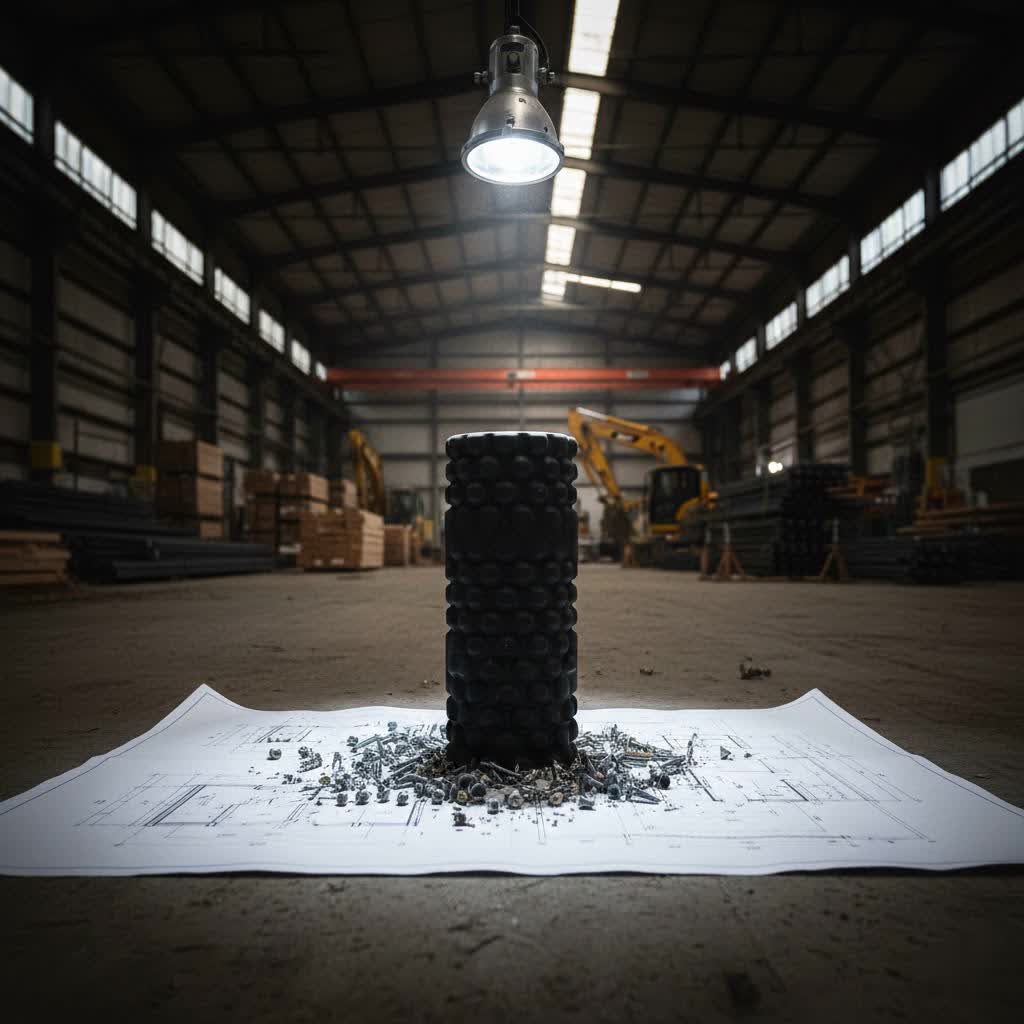
At its core, a high-density foam roller is a firm, cylindrical tool used for self-myofascial release (SMR). Unlike its softer counterparts, this type of roller is crafted from specific, dense materials like Expanded Polypropylene (EPP) or polyethylene foam. These materials are incredibly resistant to compression, meaning they won’t squish or lose their shape easily, even under significant body weight. This inherent firmness is precisely what allows a high-density foam roller to apply greater pressure directly to areas of adhesion and tightness, often referred to as “muscle knots” or “trigger points.” Think of it as a concentrated deep tissue massage you can give yourself, anytime, anywhere.
High-Density vs. Other Foam Rollers: Choosing Your Ideal Match
When you step into the world of foam rolling, you’ll quickly notice a spectrum of densities: soft, medium, and high. Each serves a unique purpose, but understanding their differences is key to making an informed choice.
- Soft (Low-Density) Rollers: These are typically made from white or blue EPE foam and offer a gentler experience. They compress easily, making them perfect for beginners, individuals with very sensitive muscles, or those recovering from acute injuries. They’re an excellent starting point to get accustomed to the sensation of foam rolling.
- Medium-Density Rollers: Offering a sweet spot between comfort and effectiveness, medium-density rollers provide sufficient pressure without being overly intense. They are suitable for most people and are often a good progression after starting with a softer roller.
- High-Density Rollers: These are the heavy hitters, often black or speckled, made from ultra-firm EPP. They are the go-to for experienced users, athletes, or anyone seeking a deep-tissue massage to address persistent knots and significant muscle tightness. While they offer superior durability and effectiveness for profound release, some research suggests that high-density rollers might increase the perception of pain with only minimal additional increases in joint mobility compared to softer options.
So, when should you reach for a high-density foam roller? If you’ve been foam rolling for a while and find softer rollers no longer provide adequate pressure, or if you consistently battle stubborn muscle tightness from intense training, a high-density option is likely your ideal match. Even beginners can use them, but it’s crucial to learn how to modify positions to control pressure, ensuring discomfort stays tolerable and doesn’t turn into pain.
The Powerhouse Benefits of High-Density Foam Rolling
Integrating a high-density foam roller into your routine can revolutionize your physical well-being, offering a myriad of benefits beyond simple muscle soreness relief.
Deep Tissue Relief
|
Our Picks for the Best Foam Roller in 2026
As an Amazon Associate I earn from qualifying purchases.
|
||
| Num | Product | Action |
|---|---|---|
| 1 | Yes4All High-Density EPP Round Back Roller Foam, Exercise Foam Roller for Yoga, Pilates & Stretching - 12, 18, 24, 36 inch |

|
| 2 | Amazon Basics High Density Foam Roller |
|
| 3 | High Density Foam Roller Massager for Deep Tissue Massage of The Back and Leg Muscles - Self Myofascial Release of Painful Trigger Point Muscle Adhesions - 13" Blue |
|
| 4 | Amazon Basics High Density Foam Roller |
|
| 5 | Tiger Ball Peanut 2.4 Foam Roller – Deep Tissue Massage Ball for Back & Neck, Myofascial Trigger Point Therapy Tool, Dual Silicone Balls with Gription – Compact, Portable, Non-Slip Recovery Roller |
|
| 6 | Amazon Basics High Density Foam Roller |
|
| 7 | Amazon Basics High Density Foam Roller |
|
| 8 | Amazon Basics High Density Foam Roller |
|
| 9 | TriggerPoint Grid 1.0 Foam Roller - 13" Multi-Density Massage Roller for Deep Tissue & Muscle Recovery - Relieves Tight, Sore Muscles & Kinks, Improves Mobility & Circulation - Targets Key Body Parts |
|
| 10 | 321 Strong Foam Roller - Medium Density Deep Tissue Massager for Muscle Massage and Myofascial Trigger Point Release, with 4K eBook |
|
The primary advantage of a high-density foam roller is its ability to deliver targeted, intense pressure that can reach deeper into muscle tissue. This helps to break up myofascial adhesions – those “knots” where muscle fibers and fascia get stuck together – and release trigger points that cause localized pain and referred pain. By applying direct pressure, you can effectively smooth out these troubled spots, promoting healthier, more pliable muscle tissue.
Enhanced Flexibility and Range of Motion
Regular use of a high-density foam roller can significantly improve your flexibility and joint range of motion (ROM). By reducing tissue tension and muscle tightness, it allows your muscles to lengthen more effectively. This enhanced flexibility is crucial for preventing injuries, improving athletic performance, and simply moving more freely in daily life.
Accelerated Muscle Recovery
After a tough workout, your muscles can feel tight and sore. High-density foam rolling helps reduce this post-exercise soreness and speeds up the recovery process. The pressure from rolling increases blood flow and elevates tissue temperature in the targeted areas, delivering more oxygen and nutrients to fatigued muscles while flushing out metabolic waste products. This improved circulation is a cornerstone of efficient muscle repair.
Improved Posture and Spinal Health
For those who spend hours hunched over a desk or simply want to improve their upright alignment, high-density foam rolling can be a game-changer. Techniques targeting the thoracic spine (mid-back) can help extend and mobilize this often-stiff area, combating the effects of poor posture and promoting better spinal health.
Potential Cardiovascular Benefits
Beyond muscle care, emerging research suggests fascinating broader health impacts. Regular, proper use of a foam roller has been shown to improve arterial flexibility and vascular endothelial function, which are key markers for cardiovascular health. This positive impact is associated with how foam rolling enhances overall blood flow and cardiovascular activity, potentially reducing the risk of future cardiac events.
Stress Reduction and Relaxation
While the initial sensation of high-density foam rolling can be intense, many users report a profound feeling of relaxation afterward. This psychological benefit stems from the release of muscle tension, which can also contribute to overall stress reduction and a sense of well-being, making it a powerful tool for both physical and mental recovery.
Mastering the Art: Effective High-Density Foam Rolling Techniques
Using a high-density foam roller effectively means being mindful of your body, controlling your movements, and focusing on consistency.
General Principles for Effective Rolling
- Go Slow and Controlled: Avoid quick, jerky movements. Slowly lower your body onto the roller and move gradually.
- Pinpoint Tender Spots: Identify areas of soreness or tightness.
- Hold and Breathe: Once you find a tender spot, hold the pressure for 20-30 seconds, allowing the muscle to relax. Breathe deeply through any discomfort; this helps your muscles release tension.
- Adjust Pressure: Use your hands and feet to support your body and control the amount of pressure applied. You can shift your weight to increase or decrease intensity.
- Roll, Don’t Grind: The goal is to release tension, not to cause pain or bruising. If it’s too painful, lighten the pressure or try a different angle.
Targeted Techniques for Key Muscle Groups
How do I roll my back effectively with a high-density foam roller?
For your upper and mid-back (thoracic spine), place the foam roller under your shoulder blades, cross your arms over your chest for support, and gently lift your hips. Slowly roll up and down your mid-back, avoiding the lower back. You can also tilt your body slightly to one side to target muscles alongside your spine, then switch to the other side for balance. This can improve joint mobility and reduce stiffness.
What’s the best way to tackle tight hamstrings and quads?
For your quadriceps, lie face down with the roller under your thighs. Support yourself with your forearms and slowly roll from just above your knees to your hips. For hamstrings, sit with the roller under one thigh and use your hands for support. Roll from above your knee to your glute, rotating your leg slightly to hit different angles. To increase intensity, stack one leg on top of the other.
Can I use a high-density foam roller for my glutes and hips?
Absolutely! Sit on the roller, placing it under one glute. Cross the leg of the glute you’re targeting over your other knee. Lean into the glute on the roller, finding tender spots, and slowly roll or hold. For your IT band (outer thigh), lie on your side with the roller under your hip. Roll from just below your hip bone to above your knee, supporting yourself with your arms and other foot. Be mindful not to roll directly over bony protrusions like your hip bone.
How do I loosen up my calves and shins?
Sit with your legs extended, placing the foam roller under one calf. Use your hands for support and lift your hips. Roll from your ankle to just below your knee. Rotate your leg inward and outward to target different parts of the calf. To increase pressure, place your other leg on top of the one being rolled. You can also target your shins by kneeling and placing the roller under your shins, gently rolling back and forth.
What about my chest and shoulders?
To target your pectorals (chest muscles), lie face down with the foam roller positioned diagonally under one side of your chest, near the shoulder joint. Gently roll back and forth, adjusting the angle as needed. For your lats (upper back/side), lie on one side with the roller under your armpit, perpendicular to your body. Roll from your armpit down to your mid-torso, leaning forward or backward to deepen the massage.
Optimizing Your Foam Rolling Experience: Tips from the Pros
To get the most out of your high-density foam roller, consider these expert tips:
- Consistency is Key: Regular foam rolling, even for short periods, is more effective than infrequent, long sessions. Aim for daily use or incorporate it before and after workouts.
- Warm-up vs. Cool-down: Use the roller briefly (5-10 minutes) as part of your warm-up to increase tissue temperature and reduce tension without desensitizing muscles. For post-workout recovery, you can spend a bit longer (10-15 minutes), holding on tender spots for deeper release.
- Stay Hydrated: Water helps keep your fascia and muscles pliable, making foam rolling more effective.
- Listen to Your Body: Discomfort is normal, but sharp pain is a warning sign. Never roll directly over joints, bones, or acute injuries. If a spot is too painful, work around it or use less pressure.
- Smooth vs. Textured Rollers: While smooth high-density rollers are generally recommended for comprehensive myofascial release, textured rollers (with grids or knobs) are designed to mimic a massage therapist’s fingers, targeting specific knots with greater intensity. However, some experts suggest that the nervous system responds better to smooth, gliding sensations, and bumpy rollers can sometimes be too intense. The choice often comes down to personal preference and how your body responds to the sensation.
Integrating High-Density Foam Rolling into Your Daily Routine
Making foam rolling a habit is easier than you think. Here’s how to fit it in:
- Pre-Workout Power-Up: A quick 5-minute roll on major muscle groups can activate muscles, improve blood flow, and prepare your body for exercise.
- Post-Workout Wind-Down: Dedicate 10-15 minutes after your workout to target muscles you’ve just used. This aids in recovery and reduces next-day soreness.
- Daily Maintenance: Even on rest days, a 10-minute session can help maintain flexibility, address general stiffness, and promote relaxation. Many find it beneficial in the evening to unwind before bed.
Expert Insight from Dr. Elara Vance, Physical Therapist for Reviewters Recovery
“Using a high-density foam roller is like having a personal massage therapist on demand,” says Dr. Elara Vance, a leading physical therapist with Reviewters Recovery. “It empowers you to take an active role in your muscle health, alleviating deep-seated tension and promoting a more resilient body capable of performing at its best.”
FAQ: Your High-Density Foam Roller Questions Answered
Is a high-density foam roller suitable for beginners?
While high-density rollers are often recommended for experienced users, beginners can use them cautiously. Start with lighter pressure, using your hands and feet for support, and gradually increase pressure as your body adapts. If it feels too intense, a medium or low-density roller might be a better starting point for initial comfort and learning.
How often should I use my high-density foam roller?
Most experts recommend daily use, or at least 3-5 times a week, for optimal results. Consistency is more important than duration. Even 5-10 minutes a day can make a significant difference.
How long should I spend on each muscle group?
Focus on each tender spot for 20-30 seconds, allowing the muscle to relax. A full body session might last 10-15 minutes, while targeted sessions for specific muscle groups can be shorter.
Can foam rolling be harmful?
Yes, if done incorrectly. Avoid rolling directly over joints, bones, or acute injuries. Do not roll over your lower back (lumbar spine) directly, as it can cause hyperextension and potential injury. Always listen to your body and stop if you experience sharp, shooting pain.
What’s the difference between a smooth and textured high-density foam roller?
Smooth high-density rollers provide even, consistent pressure, ideal for general myofascial release and improving overall flexibility. Textured rollers, with their ridges and knobs, are designed to penetrate deeper and target specific trigger points more intensely, mimicking a deeper tissue massage. Some find smooth rollers more comfortable and effective for the nervous system, while others prefer the focused pressure of textured designs.
How do I clean my foam roller?
High-density foam rollers are generally easy to clean. Wipe them down with a damp cloth and mild soap or a disinfectant spray after each use, then let them air dry.
Conclusion
A high-density foam roller is an indispensable tool in any fitness and recovery arsenal. By understanding its unique properties and mastering effective techniques, you gain the power to address muscle tightness, improve flexibility, accelerate recovery, and even enhance your overall physical health. Don’t let stubborn knots or post-workout soreness hold you back. Embrace the challenge and the profound benefits of the high-density foam roller, and take a proactive step towards a more mobile, resilient, and pain-free body. It’s time to roll your way to better health and unlock your full potential.
