Feeling those persistent knots and muscle stiffness that just won’t let go? You’ve probably heard of foam rolling, but let’s talk about a game-changer: the Textured Foam Roller. This isn’t just your average smooth cylinder; it’s a powerhouse tool designed to take your self-massage and recovery to the next level. If you’re serious about deep tissue work, improving flexibility, and unlocking your body’s full potential, then understanding and utilizing a textured foam roller is absolutely essential.
What Exactly is a Textured Foam Roller?
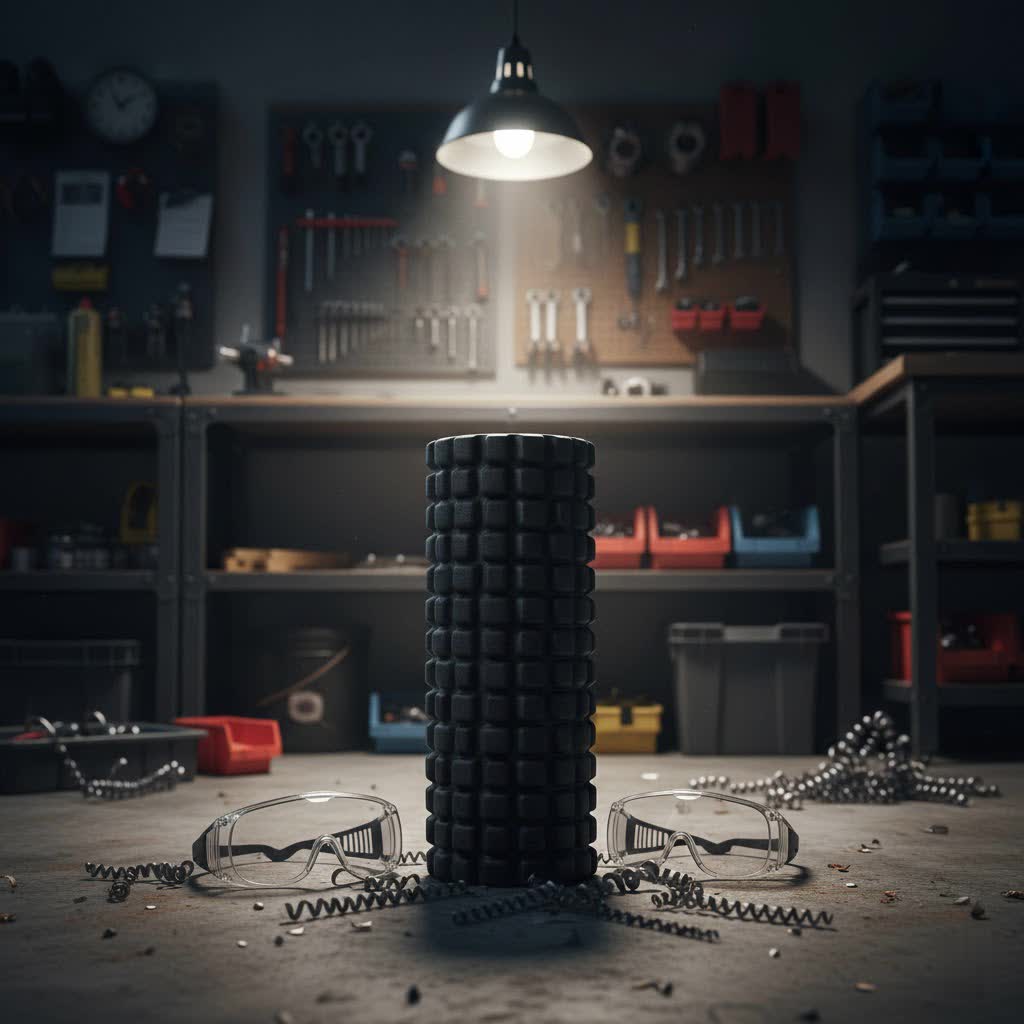
Imagine the skilled hands of a massage therapist, digging into stubborn muscle knots with precision. That’s essentially what a textured foam roller aims to replicate. Unlike its smooth counterpart, a textured foam roller features a surface covered in bumps, ridges, or grid patterns. These distinct designs aren’t just for show; they allow the roller to delve deeper into your muscle tissue and fascia – the connective tissue surrounding your muscles – providing a more intense and targeted massage. Think of it as an upgrade from a broad, sweeping massage to a more focused, therapeutic pressure point release.
The Unrivaled Benefits of Going Textured
Opting for a textured foam roller brings a host of advantages, especially when you’re looking for more than just a superficial roll.
- Deep Tissue Penetration: The primary benefit of a textured foam roller is its ability to access deeper layers of muscle. The raised patterns create varying points of pressure, mimicking fingers and thumbs, allowing you to work through stubborn adhesions and trigger points that a smooth roller might simply glide over. This is crucial for true myofascial release.
- Targeting Stubborn Knots: Those persistent “knots” in your muscles, often called trigger points, are areas of tension that can restrict movement and cause pain. The texture of these rollers helps to pinpoint and apply sustained pressure to these specific areas, encouraging them to release and relax.
- Improved Flexibility and Range of Motion: By releasing tension in tight fascia and muscles, a textured foam roller can significantly enhance your flexibility. When muscles are less restricted, they can move through their full range of motion more easily, which is vital for athletic performance and everyday movement.
- Faster Recovery and Reduced Soreness: Post-workout muscle soreness (DOMS) can sideline your training. Regular use of a textured foam roller can help improve blood flow to fatigued muscles, assisting in nutrient delivery and waste removal, ultimately accelerating recovery and reducing that “achy” feeling.
- Enhanced Blood Flow and Circulation: The dynamic pressure created by the textured surface stimulates circulation, bringing fresh, oxygenated blood to your muscles. This not only aids in recovery but also prepares your muscles for activity, making it a great tool for both warm-ups and cool-downs.
Smooth vs. Textured: Choosing Your Ally
When it comes to foam rollers, one size (or texture) doesn’t fit all.
- When a Smooth Roller is Best: A smooth foam roller provides consistent, even pressure across a larger surface area. It’s an excellent starting point for beginners, individuals with sensitive muscles, or those new to self-myofascial release, as it offers a gentler experience. They are also generally less intense and can be a good option for a general warm-up.
- Why and When to Level Up to a Textured Foam Roller: If you’re an experienced foam roller user, an athlete, or someone who consistently deals with deep muscle tightness and trigger points, a textured foam roller is likely your ideal choice. It offers the intensity needed to truly break up knots and provide a deeper massage that a smooth roller might not deliver. As Dr. Evelyn Reed, a leading Doctor of Physical Therapy specializing in sports recovery, notes, “A textured foam roller allows for more intricate work on specific muscle adhesions, providing a superior deep tissue experience compared to smooth rollers, especially for those with a developed tolerance.”
Your Guide to Selecting the Perfect Textured Foam Roller
Choosing the right textured foam roller is key to maximizing its benefits. Consider these factors:
- Density Matters:
- Soft (Low-Density): Ideal for beginners, those with highly sensitive muscles, or post-injury use. It offers a gentler pressure.
- Medium-Density: A great all-rounder, suitable for most users, providing a balance of comfort and effectiveness.
- Firm (High-Density): Best for experienced users, athletes, and those craving intense deep tissue work. While some brands use color cues (white for soft, black for firm), always check product descriptions. A roller that’s too soft won’t be effective, but one that’s too hard can cause bruising.
- Decoding Texture Patterns: Textured foam rollers come with various patterns – from subtle bumps to pronounced knobs or a grid-like design. Each pattern offers a slightly different feel and level of intensity. Grid patterns, for instance, often mimic the thumb and finger pressure of a masseuse, while more aggressive knobs can target very specific, deep knots. Experimentation might be needed to find what works best for your body.
- Size It Up:
- 36 inches (Full-Size): Excellent for comprehensive back work, supporting your entire spine, and providing stability for larger muscle groups like quads and hamstrings. Also great for Pilates exercises.
- 18 inches (Medium): Often considered the sweet spot for versatility, portability, and effectiveness across most major muscle groups for the average user.
- 12-24 inches (Shorter): Perfect for targeted work on smaller areas like calves, arms, and neck, and incredibly convenient for travel or gym bags.
- Diameter’s Impact: Most rollers have a 5-6 inch diameter, offering good control. However, smaller diameters (3-4 inches) can provide a more intense, deeper massage by reducing the surface area in contact with your body, making the pressure more concentrated. They also sit lower to the ground, potentially offering more stability for some exercises.
- Material & Durability: High-quality textured foam rollers are often made from EVA or EPP foam, known for their durability and ability to retain shape even with heavy use. A hollow core design, often reinforced with a plastic cylinder, can contribute to firmness and can also be great for travel as you can pack items inside.
Master the Roll: Techniques for Different Muscle Groups
The power of a textured foam roller lies in proper technique. Always move slowly, control your body weight, and focus on pinpointing tender areas without causing sharp pain.
-
General Principles:
- Pinpoint: Identify the tight or sore muscle area.
- Slow & Controlled: Slowly lower your body onto the roller, centering the targeted area.
- Hold & Release: When you find a tender spot (a “trigger point”), hold the pressure there for 20-30 seconds. Breathe deeply and allow the muscle to relax.
- Roll Slowly: After holding, slowly roll back and forth along the muscle, moving just a few inches at a time, continuously searching for other tender spots.
-
Targeting Your Back (Thoracic Spine): Sit on the floor with the textured foam roller positioned horizontally behind your mid-back. Interlace your fingers behind your head for support, gently lift your hips, and slowly roll from the base of your rib cage up to the top of your shoulders. If you find a tight spot, pause and breathe.
-
Unlocking Tight Lats: Lie on your side, placing the textured foam roller under your armpit, perpendicular to your body. Extend your lower arm and support yourself with your top hand. Roll slowly from your armpit down towards your mid-torso, leaning slightly forward or backward to target different parts of the muscle.
-
Glute Activation & Release: Sit directly on the textured foam roller. Cross one ankle over your opposite knee. Lean into the glute of the crossed leg and slowly roll back and forth, moving from your hip pocket to the bottom of your glute. This effectively targets your piriformis and gluteus muscles.
-
Tackling the Infamous IT Band: Lie on your side with the textured foam roller under your outer thigh. Support your upper body with your hands and use your free leg for balance. Roll slowly from just above your knee to just below your hip, pausing on any sensitive areas. This can be intense, so adjust pressure as needed.
-
Calf & Shin Relief: Sit with the textured foam roller under one calf, the other foot flat on the floor. Lift your hips slightly and roll from your ankle to just below your knee. Rotate your leg inward and outward to hit different calf muscles. To increase intensity, place your free foot on top of the rolling leg.
-
Inner Thighs (Adductors): Lie on your stomach. Place the textured foam roller under your inner thigh, with your leg bent out to the side. Slowly roll along the inner thigh, from groin to just above the knee, applying pressure by shifting your weight.
Integrating Textured Foam Rolling into Your Routine
A textured foam roller isn’t just for emergencies; it’s a powerful tool for consistent self-care.
- Before Workouts: A few minutes of dynamic rolling can prepare your muscles by increasing blood flow and improving tissue pliability, potentially enhancing performance and reducing injury risk.
- After Workouts: Crucial for recovery. Rolling post-exercise helps flush out metabolic waste, reduce muscle stiffness, and promote faster healing.
- Daily Maintenance: Even on rest days, a short rolling session can help maintain flexibility, address postural issues, and simply make your body feel better. Listen to your body – if you find yourself tensing up from discomfort, ease off the pressure. “Consistency is far more important than intensity when you’re starting with a textured foam roller,” advises Coach Marcus “The Mover” Thorne, a Certified Strength & Conditioning Specialist. “Aim for short, regular sessions rather than infrequent, overly aggressive ones.”
Expert Insights on Textured Foam Rolling
“Many people approach foam rolling as a painful chore,” says Dr. Evelyn Reed, DPT. “But with a textured foam roller, the goal is therapeutic discomfort that leads to relief, not sharp pain. It’s about slowly coaxing your tissues to release. The textured surface helps mechanoreceptors in your fascia send ‘relax’ signals to your nervous system, which is why it feels so good once you’ve worked through a tight spot.”
Coach Marcus “The Mover” Thorne adds, “In my experience with athletes, especially those in high-impact sports, a high-density textured foam roller is indispensable for deep tissue work. It’s not just about flexibility; it’s about restoring proper muscle function and preventing injuries. Many overlook the importance of consistency and proper breathing during rolling – these are non-negotiable for real results.”
FAQ: Your Textured Foam Roller Questions Answered
Is a textured foam roller good for beginners?
|
Our Picks for the Best Foam Roller in 2026
As an Amazon Associate I earn from qualifying purchases.
|
||
| Num | Product | Action |
|---|---|---|
| 1 | Amazon Basics High Density Foam Roller |

|
| 2 | Amazon Basics High Density Foam Roller |
|
| 3 | Yes4All High-Density EPP Round Back Roller Foam, Exercise Foam Roller for Yoga, Pilates & Stretching - 12, 18, 24, 36 inch |
|
| 4 | Amazon Basics High Density Foam Roller |
|
| 5 | Tiger Ball Peanut 2.4 Foam Roller – Deep Tissue Massage Ball for Back & Neck, Myofascial Trigger Point Therapy Tool, Dual Silicone Balls with Gription – Compact, Portable, Non-Slip Recovery Roller |
|
| 6 | TriggerPoint Grid 1.0 Foam Roller - 13" Multi-Density Massage Roller for Deep Tissue & Muscle Recovery - Relieves Tight, Sore Muscles & Kinks, Improves Mobility & Circulation - Targets Key Body Parts |
|
| 7 | 321 Strong Foam Roller - Medium Density Deep Tissue Massager for Muscle Massage and Myofascial Trigger Point Release, with 4K eBook |
|
| 8 | High Density Foam Roller Massager for Deep Tissue Massage of The Back and Leg Muscles - Self Myofascial Release of Painful Trigger Point Muscle Adhesions - 13" Blue |
|
| 9 | Amazon Basics High Density Foam Roller |
|
| 10 | Amazon Basics High Density Foam Roller |
|
Generally, beginners might find a smooth foam roller more comfortable to start with as the pressure is less intense. However, a textured foam roller with a softer density can be a good option for beginners who want more targeted relief. Always start gently and progress as your muscles adapt.
How often should I use a textured foam roller?
For best results, aim for 2-3 minutes per muscle group, ideally before or after workouts, or as part of a daily maintenance routine. Listen to your body; some days you might need more, some less.
Can a textured foam roller help with cellulite?
While foam rolling can improve blood circulation and muscle tone, which might indirectly contribute to smoother-looking skin, there is no scientific evidence to suggest that a textured foam roller directly eliminates cellulite. Its primary benefit is muscle recovery and myofascial release.
What’s the difference between bumps and grids on a foam roller?
Bumps typically offer more pronounced, localized pressure points, while grid patterns often feature a variety of textures (flat, finger-like, thumb-like) designed to mimic different massage techniques across a broader area. Both aim for deep tissue massage, but the feel and intensity can vary.
When should I not use a textured foam roller?
Avoid foam rolling over open wounds, acute injuries (like recent sprains or strains), bony prominences, or areas with extreme pain. If you have any medical conditions, especially those related to circulation, nerves, or bones, consult a healthcare professional before use.
Can it replace a deep tissue massage?
While a textured foam roller provides excellent self-myofascial release and deep tissue benefits, it cannot fully replace the comprehensive and precise work of a professional massage therapist, especially for highly specific issues, deep internal muscles, or diagnosing underlying problems. It’s a powerful complementary tool.
Unlock Your Body’s Potential
The textured foam roller is more than just a piece of equipment; it’s an investment in your body’s health, performance, and longevity. By understanding its unique benefits, choosing the right product, and mastering effective techniques, you can unlock deeper muscle relief, enhance flexibility, and accelerate recovery. Don’t let muscle tightness hold you back. Embrace the power of the textured foam roller and feel the difference. Your body will thank you.
