Ever feel like your back is tied in knots after a long day at the desk or an intense workout? You’re not alone. Many of us grapple with back tightness, stiffness, and discomfort that can seriously cramp our style. That’s where a trusty back stretch foam roller comes in, acting like your personal massage therapist to iron out those kinks and bring some much-needed relief. It’s a game-changer for anyone looking to improve their flexibility, reduce pain, and boost their overall well-being.
What Exactly is a Foam Roller and Why Use it for Your Back?
At its core, a foam roller is a cylindrical piece of dense foam designed for self-myofascial release (SMR). Think of it as a tool for self-massage that targets the fascia—the connective tissue that surrounds your muscles—and the muscles themselves. When you roll over tight areas, you apply pressure that helps to break up muscle knots, reduce tension, and improve blood flow.
For your back, specifically, foam rolling offers a suite of fantastic benefits: it helps release tense muscles, increases oxygen delivery to sore areas, and can significantly reduce that nagging stiffness. Imagine improving your posture and gaining more freedom of movement just by spending a few minutes with this simple tool. It’s not just about temporary relief; consistent foam rolling can contribute to long-term spinal mobility and flexibility, reducing your risk of future aches and pains.
Choosing the Right Foam Roller for Your Back
Stepping into the world of foam rollers can feel a bit like choosing a new mattress – so many options! But for back stretches, a few key features matter.
When it comes to density, softer rollers are often best for beginners. They provide a gentler pressure, allowing your body to adapt without too much discomfort. As you become more accustomed to the sensation, you might graduate to a medium or even firm roller for a deeper massage, which is particularly effective for stubborn muscle knots.
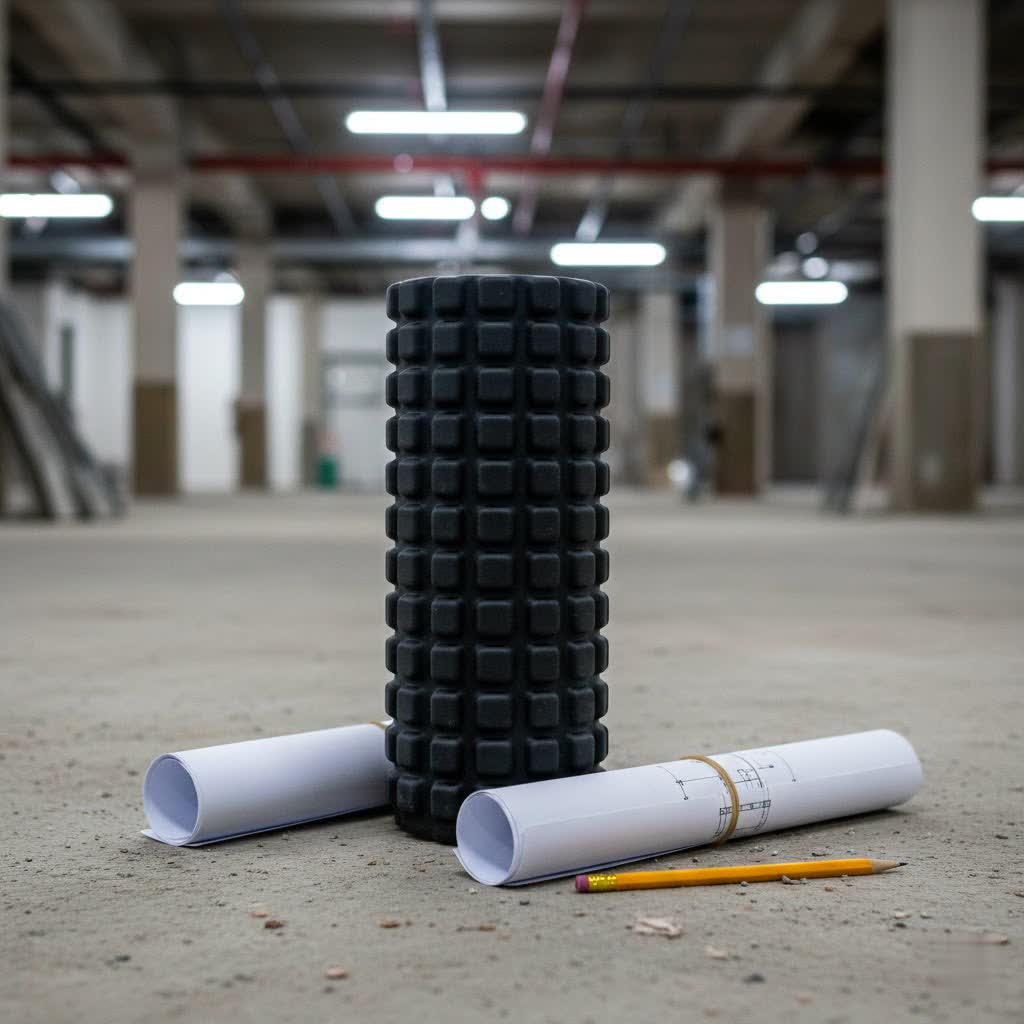
Size and shape also play a role. Long, standard cylindrical rollers (around 36 inches) are versatile for most back exercises, allowing you to roll across wider areas or even lie on them lengthwise for spinal alignment. While some rollers come with textures or “knobs” for a more intense deep-tissue experience, a smooth foam roller is generally recommended for beginners, especially for your back, to avoid excessive pressure or discomfort. Remember, the goal is relief and release, not a pain contest.
Essential Back Stretch Foam Roller Techniques for Each Area
Ready to roll? Let’s break down how to use a foam roller effectively and safely for different parts of your back. Always remember to go slowly, engage your core, and listen to your body. Foam rolling should feel like a “good hurt,” not sharp pain.
Upper and Mid-Back (Thoracic Spine) Mobilization
The upper and mid-back, known as the thoracic spine, is generally more robust and can benefit greatly from foam rolling to improve mobility and relieve tension, especially for those who spend hours hunched over a computer.
-
Upper Back Roll:
- Position: Sit on the floor with your knees bent, feet flat. Place the foam roller horizontally across your upper back, just below your shoulder blades.
- Execution: Clasp your hands behind your head to support your neck, or cross your arms over your chest. Gently lift your hips off the floor, putting your weight on your heels. Slowly roll up and down your upper back, from just below your shoulder blades to the top of your shoulders, avoiding your neck.
- Focus: When you find a tender spot, pause there for 20-30 seconds, allowing the muscle to release. Breathe deeply throughout.
- Expert Insight: “Targeting the thoracic spine with controlled foam rolling can dramatically improve posture and alleviate tension that often radiates to the neck and shoulders,” advises Dr. Anya Sharma, a physical therapist specializing in spinal health.
-
Thoracic Extension (Chest Opener):
- Position: Lie on your back with the foam roller positioned horizontally under your mid-back. Keep your hips on the floor and your knees bent, feet flat. Place your hands behind your head for support.
- Execution: Gently arch your upper back over the roller, allowing your chest to open. Hold this position for 30-60 seconds, focusing on a deep stretch rather than rolling. You can adjust the roller’s position slightly to target different segments of your thoracic spine.
- Benefit: This move is fantastic for counteracting slouching and improving your spinal extension.
Our Picks for the Best Foam Roller in 2026As an Amazon Associate I earn from qualifying purchases.Num Product Action 1 Amazon Basics High Density Foam Roller 
2 Tiger Ball Peanut 2.4 Foam Roller – Deep Tissue Massage Ball for Back & Neck, Myofascial Trigger Point Therapy Tool, Dual Silicone Balls with Gription – Compact, Portable, Non-Slip Recovery Roller
3 Amazon Basics High Density Foam Roller
4 Yes4All High-Density EPP Round Back Roller Foam, Exercise Foam Roller for Yoga, Pilates & Stretching - 12, 18, 24, 36 inch
5 Amazon Basics High Density Foam Roller
6 321 Strong Foam Roller - Medium Density Deep Tissue Massager for Muscle Massage and Myofascial Trigger Point Release, with 4K eBook
7 TriggerPoint Grid 1.0 Foam Roller - 13" Multi-Density Massage Roller for Deep Tissue & Muscle Recovery - Relieves Tight, Sore Muscles & Kinks, Improves Mobility & Circulation - Targets Key Body Parts
8 Amazon Basics High Density Foam Roller
9 High Density Foam Roller Massager for Deep Tissue Massage of The Back and Leg Muscles - Self Myofascial Release of Painful Trigger Point Muscle Adhesions - 13" Blue
10 Amazon Basics High Density Foam Roller
Addressing Lower Back Discomfort (Indirectly and Safely)
Now, this is crucial: directly rolling your lower back (lumbar spine) horizontally is often not recommended. The lumbar spine is designed for stability, and excessive arching or direct pressure can overstretch ligaments, leading to instability or injury. Instead, we focus on safely releasing the muscles that contribute to lower back pain.
-
Glute and Piriformis Release:
- Position: Sit on the foam roller, placing it under one glute. Cross the ankle of that same side over the opposite knee. Lean slightly into the glute you’re targeting.
- Execution: Gently roll back and forth, and side to side, across your gluteal muscles and into the piriformis area (often a culprit for sciatica-like pain).
- Why it Helps: Tight glutes and piriformis muscles can pull on your pelvis and lower back, causing discomfort. Releasing them can provide significant indirect relief.
-
Hip Flexor and Quad Roll:
- Position: Lie face down, placing the foam roller under your hip flexors (just below your hip bone) or quadriceps.
- Execution: Support yourself on your forearms. Gently roll up and down from your hips to just above your knees. Shift your weight slightly to target the inner or outer aspects of your thigh.
- Why it Helps: Tight hip flexors can tilt your pelvis forward, increasing the arch in your lower back and causing strain. Releasing them can help restore a more neutral pelvic alignment.
-
Quadratus Lumborum (QL) Side Roll (Advanced/Cautious):
- Position: Lie on your side, supporting yourself on your forearm. Place the foam roller just above your hip bone, targeting the muscle located on the side of your lower back (QL).
- Execution: Use your feet and free hand to control the pressure, gently rolling a small area. This is a sensitive spot, so proceed with extreme caution and very light pressure.
- Why it Helps: The QL is a common source of lower back pain, especially one-sided pain. Releasing it can be very beneficial, but prioritize gentle movements.
Important Safety Note: If you experience any sharp, radiating, or increasing pain while foam rolling, stop immediately. It’s always wise to consult a healthcare professional or physical therapist if you have persistent back pain or concerns about proper technique.
Optimizing Your Foam Rolling Experience
To get the most out of your back stretch foam roller, integrate these simple tips:
- Warm-up First: A few minutes of light cardio or gentle dynamic stretches before foam rolling can make your muscles more receptive to release.
- Breathe Deeply: Deep, controlled breathing helps relax your muscles and allows for a more effective release.
- Stay Hydrated: Just like after a massage, drinking plenty of water post-rolling helps flush out toxins released from the muscles.
- Consistency is Key: Short, regular sessions (5-10 minutes, 3-5 times a week) are far more effective than infrequent, long ones.
Integrating Foam Rolling into Your Daily Routine
Making foam rolling a habit is where the real magic happens.
- Pre-Workout Prep: A quick foam rolling session can prime your muscles for exercise, improving range of motion and reducing injury risk.
- Post-Workout Recovery: After a tough workout, foam rolling helps alleviate delayed-onset muscle soreness (DOMS) and promotes faster recovery.
- Desk Worker’s Ally: If you sit for long periods, incorporating back stretches with a foam roller into your breaks can counteract the effects of prolonged sitting, improving posture and preventing stiffness. A simple 5-minute roll can make a world of difference.
- Evening Wind-Down: A gentle session before bed can help release the day’s tension, promoting relaxation and better sleep.
Frequently Asked Questions (FAQ)
Is foam rolling good for back pain?
Yes, foam rolling can be highly effective for relieving muscle tightness and soreness in the upper and mid-back, and indirectly for the lower back by targeting surrounding muscles. It helps improve blood flow, reduce inflammation, and enhance flexibility.
Can I use a foam roller on my lower back?
Directly rolling the lumbar spine horizontally is generally discouraged due to the risk of overstretching ligaments and causing instability. Instead, focus on releasing tight muscles in the glutes, hips, and upper back that contribute to lower back discomfort, or use a vertical foam roller for gentle support.
How often should I use a foam roller for my back?
For optimal benefits, aim for 5-10 minute sessions 3-5 times a week. Consistency is more important than duration. Listen to your body and adjust frequency as needed.
What kind of foam roller is best for back stretches?
A smooth, medium-density cylindrical foam roller is usually a great starting point. As you gain experience, you might explore firmer or textured options, but always prioritize comfort and safety, especially for back work.
What are the signs I’m foam rolling incorrectly?
If you experience sharp, radiating, or increasing pain, numbness, tingling, or bruising, you are likely using incorrect technique or too much pressure. Stop immediately and reassess your approach, or consult a professional.
Conclusion
Embracing the back stretch foam roller can truly transform your relationship with your body, offering a powerful and accessible way to manage discomfort, enhance flexibility, and promote overall recovery. It’s about more than just pain relief; it’s about empowering yourself to take charge of your body’s well-being and move through life with greater ease and comfort. So, grab a roller, tune into your body, and get ready to unlock a new level of back health and flexibility. Your back will thank you!
