Ever feel like your muscles are tied in knots after a tough workout? Or perhaps daily life has left you stiff, tight, and longing for relief? That persistent ache, that limited range of motion – it’s a common struggle. But what if there was an affordable, accessible tool that could help you unlock a more flexible, pain-free, and powerful you? Enter the workout roller foam. This unassuming cylinder is a game-changer, acting as your personal massage therapist, ready to help you recover faster, move better, and feel fantastic. It’s not just a trend; it’s a scientifically-backed method for self-myofascial release (SMR), a technique that targets the complex network of tissues surrounding your muscles, known as fascia. By understanding and utilizing a workout roller foam, you’re investing in your body’s longevity and performance.
What Exactly is a Workout Roller Foam, Anyway?
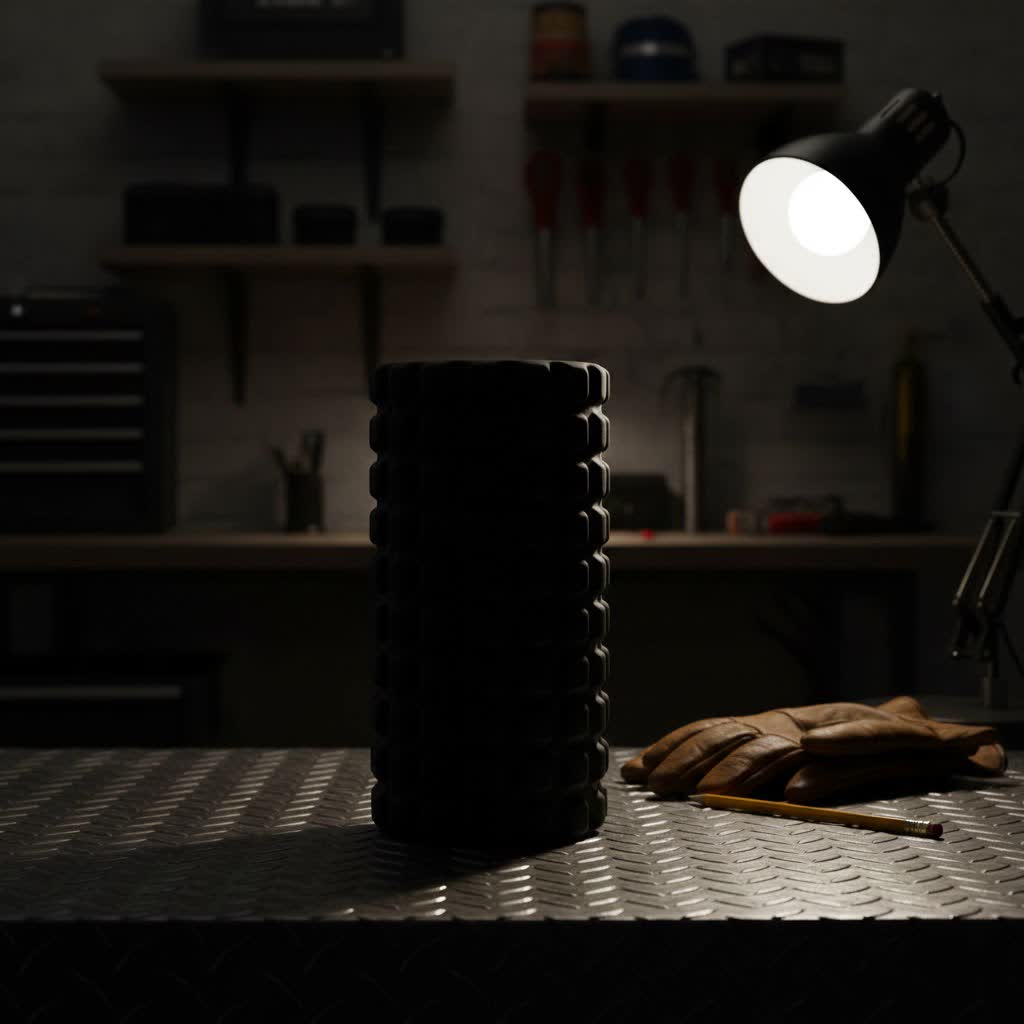
At its core, a workout roller foam is a firm cylinder designed for self-massage. But how does it actually work its magic? Imagine your muscles are encased in a thin, web-like connective tissue called fascia. This fascia, along with your muscles, can become tight, knotted, and develop adhesions – think of them as tiny snags or sticky spots. These “trigger points” can restrict movement, cause pain, and hinder your recovery.
When you use a workout roller foam, you apply sustained pressure to these tight areas, essentially mimicking a deep tissue massage. This pressure helps to release tension in the fascia and muscles, breaking up those adhesions and improving blood flow to the area. Increased blood flow brings vital oxygen and nutrients to your muscles, aiding in repair and flushing away metabolic waste products like lactic acid. Some theories also suggest that foam rolling triggers neurological changes, sending signals to your brain that encourage muscles to relax and lengthen. It’s a “hurts so good” sensation that, when done correctly, paves the way for greater flexibility and reduced discomfort.
The Game-Changing Benefits of Incorporating a Workout Roller Foam
Don’t let its simple appearance fool you; a workout roller foam packs a powerful punch of benefits that can transform your fitness journey and daily well-being.
- Reduced Muscle Soreness (DOMS): The day after an intense workout, that deep, aching pain known as Delayed Onset Muscle Soreness (DOMS) can be a real drag. Foam rolling helps alleviate this by improving circulation and aiding in muscle repair, allowing you to bounce back quicker.
- Increased Flexibility and Range of Motion: By releasing tight fascia and muscle knots, foam rolling helps your muscles stretch more effectively and allows your joints to move through their full range of motion. This is crucial for both athletic performance and everyday activities.
- Improved Blood Circulation: The pressure and rolling motion enhance blood flow to your muscles. Better circulation means more oxygen and nutrients delivered to tissues, which is essential for healing and overall muscle health.
- Enhanced Recovery Time: Faster recovery means you can get back to your workouts sooner and perform at your best. Foam rolling helps speed up the removal of waste products and promotes cellular repair.
- Injury Prevention: When muscles are flexible and fascia is mobile, your body is less prone to strains, sprains, and other common injuries. Regular foam rolling can help maintain this optimal state.
- Stress Reduction and Relaxation: The focused, slow movements of foam rolling can be surprisingly calming. It offers a mindful moment to connect with your body, release tension, and de-stress, both physically and mentally.
- Improved Posture and Muscle Imbalances: By releasing tightness in certain muscle groups, foam rolling can help correct imbalances that contribute to poor posture, allowing your body to find a more natural and aligned position.
Choosing Your Perfect Partner: Types of Workout Roller Foam
Just like choosing the right running shoes, selecting the perfect workout roller foam depends on your individual needs, experience level, and sensitivity. They come in various densities, surface textures, and sizes.
Density: How Much Pressure Can You Handle?
- Soft (Low-Density) Rollers: These are typically white and offer a gentler experience. Perfect for beginners, those with sensitive muscles, or individuals recovering from injury. They compress easily, providing a more superficial massage.
- Medium-Density Rollers: Often blue or red, these strike a balance between comfort and effectiveness. They’re a great all-rounder for most users, providing enough pressure to be therapeutic without being overly intense.
- Firm (High-Density) Rollers: Usually black, these are for experienced foam rollers or those who crave a deep-tissue massage. They offer intense pressure to target stubborn knots and deeply embedded tension.
|
Our Picks for the Best Foam Roller in 2026
As an Amazon Associate I earn from qualifying purchases.
|
||
| Num | Product | Action |
|---|---|---|
| 1 | Tiger Ball Peanut 2.4 Foam Roller – Deep Tissue Massage Ball for Back & Neck, Myofascial Trigger Point Therapy Tool, Dual Silicone Balls with Gription – Compact, Portable, Non-Slip Recovery Roller |

|
| 2 | High Density Foam Roller Massager for Deep Tissue Massage of The Back and Leg Muscles - Self Myofascial Release of Painful Trigger Point Muscle Adhesions - 13" Blue |
|
| 3 | 321 Strong Foam Roller - Medium Density Deep Tissue Massager for Muscle Massage and Myofascial Trigger Point Release, with 4K eBook |
|
| 4 | Amazon Basics High Density Foam Roller |
|
| 5 | Amazon Basics High Density Foam Roller |
|
| 6 | TriggerPoint Grid 1.0 Foam Roller - 13" Multi-Density Massage Roller for Deep Tissue & Muscle Recovery - Relieves Tight, Sore Muscles & Kinks, Improves Mobility & Circulation - Targets Key Body Parts |
|
| 7 | Amazon Basics High Density Foam Roller |
|
| 8 | Amazon Basics High Density Foam Roller |
|
| 9 | Amazon Basics High Density Foam Roller |
|
| 10 | Yes4All High-Density EPP Round Back Roller Foam, Exercise Foam Roller for Yoga, Pilates & Stretching - 12, 18, 24, 36 inch |
|
Surface Texture: Smooth Operator or Trigger Point Terminator?
- Smooth Foam Rollers: These have a uniform, even surface, delivering consistent pressure across your muscles. They’re ideal for general use, warming up, cooling down, and for beginners.
- Textured/Gridded Foam Rollers: Featuring patterns like ridges, knobs, or grids, these are designed to mimic a massage therapist’s fingers and thumbs. They provide a more intense, targeted massage, excellent for digging into specific knots and trigger points.
Size and Shape: Targeting Every Inch
- Long Rollers (around 36 inches): These are incredibly versatile and often a great first choice. Their length allows them to span your entire back when placed perpendicular to your spine, and they offer stability for rolling larger muscle groups like quads and hamstrings.
- Short Rollers (around 12-18 inches): More portable and excellent for targeting smaller areas like calves, arms, and for travel.
- Half-Round Foam Rollers: These look like a regular roller cut in half lengthwise. They are primarily used for balance exercises, leg and foot stretches, and massaging the arches of the feet.
- Foam-Covered Roller Massagers (Sticks): Resembling a rolling pin, these are held by handles and allow for very precise pressure regulation and targeting, especially on the legs.
Expert Tip: “When in doubt, start with a medium-density, smooth, long roller,” advises Dr. Eleanor Vance, a sports injury specialist. “You can always progress to firmer or textured options as your body adapts and your technique improves. It’s better to be gentle at first than to overdo it and cause further discomfort.”
Mastering the Roll: Essential Workout Roller Foam Techniques
Using a workout roller foam effectively isn’t about brute force; it’s about control, patience, and listening to your body.
General Principles for Effective Foam Rolling:
- Go Slow and Controlled: Resist the urge to quickly roll back and forth. Slow, deliberate movements are key to allowing the pressure to sink in and release tension.
- Breathe Deeply: It sounds simple, but many people hold their breath when they hit a tender spot. Deep, controlled breathing helps your muscles relax.
- Hold Tender Spots: When you find a particularly tight or sore area (a trigger point), pause and hold the pressure on that spot for 20-30 seconds. You should feel the tension slowly release.
- Avoid Bones and Joints: Never roll directly over bony prominences or joints. Focus on the muscle belly.
- Discomfort vs. Pain: Foam rolling can be uncomfortable, especially on tight muscles – often referred to as a “good pain.” However, if you experience sharp, shooting, or intense pain, stop immediately. Pushing through sharp pain can cause injury.
Targeted Muscle Groups: Your Body’s Release Points
Here’s how to tackle some of the most common trouble spots with your workout roller foam:
How do I use a foam roller for my quadriceps?
Start in a forearm plank position, with the foam roller positioned horizontally just above your knees. Engage your core to protect your lower back. Slowly roll up the length of your quads, from just above your knees to your hip flexors. If you find a tender spot, pause and hold. You can also shift your weight slightly to target the inner or outer quads.
What are the best foam roller exercises for hamstrings?
Sit on the floor with your legs extended and place the foam roller underneath your hamstrings (the back of your thighs). Use your hands behind you for support, lifting your glutes slightly off the floor. Slowly roll from just above your knees up to your glutes, pausing on any tight areas. For more pressure, cross one leg over the other to target one hamstring at a time.
Can I use a foam roller for my glutes and hips?
Sit directly on the foam roller. Cross your right ankle over your left knee (a figure-4 position). Lean to your right hip, putting most of your weight on that side. Slowly roll back and forth over your gluteal muscles, focusing on the outer hip and glute. Repeat on the other side. This is excellent for hip mobility and releasing piriformis tightness.
How do I foam roll my calves effectively?
Sit on the floor with your legs extended. Place the foam roller under your calves. Lift your body slightly using your hands for support. Slowly roll from your ankles to just below your knees. You can rotate your legs inward and outward to target different parts of your calf muscles. For increased pressure, cross one leg over the other.
What’s the right way to foam roll my upper back and lats?
- Upper Back: Lie on your back with the foam roller positioned horizontally underneath your upper back, just below your shoulder blades. Bend your knees, feet flat on the floor. Cross your arms over your chest or place your hands behind your head for neck support. Lift your hips slightly and slowly roll up and down between your mid-back and the base of your neck. Avoid rolling directly on your lower back.
- Lats: Lie on your side with the foam roller underneath your armpit, perpendicular to your body. Extend your lower arm and support your body with your other hand. Slowly roll back and forth from your armpit down to your mid-torso. Lean forward or backward slightly to deepen the pressure.
Can a foam roller help with chest tightness?
Yes! Lie on your stomach with the foam roller horizontally in front of you. Extend one arm straight over the roller and allow the roller to press into your pectoral (chest) muscle. Rotate your body slightly so you’re almost lying on your side, using your free hand and body angle to control the pressure. Roll slowly over your chest muscles, pausing on any tender spots. Repeat on the other side.
Expert Tip: “Don’t rush the roll; listen to your body,” advises Michael Chen, a performance coach. “The goal isn’t to get through it quickly, but to effectively release tension. Think of it as a dialogue with your muscles, not a monologue.”
Integrating Foam Rolling into Your Daily Routine
The beauty of a workout roller foam is its versatility. You can weave it into your fitness routine in several ways to maximize its benefits.
- Pre-Workout Warm-up (5-10 minutes): A quick foam rolling session before exercise can help loosen up tight muscles, increase blood flow, and improve your range of motion, preparing your body for optimal performance. Keep these sessions dynamic and shorter, around 30 seconds per muscle group, to prime your muscles without overly relaxing them.
- Post-Workout Cool-down & Recovery (10-20 minutes): This is where the workout roller foam truly shines. After your workout, target areas that feel particularly sore or tight. Longer holds (30-60 seconds) on tender spots can help reduce DOMS, speed up recovery, and promote relaxation.
- Standalone Recovery Sessions: On rest days or when you simply feel stiff from daily activities, a dedicated foam rolling session can be incredibly beneficial. Spend more time on each muscle group, focusing on areas of chronic tightness.
As Dr. Clara Jenkins, a physical therapist, suggests, “Think of foam rolling as your body’s personal tune-up. Regular short sessions can prevent minor issues from becoming major roadblocks in your fitness journey.”
Beyond the Basics: Advanced Tips for Your Foam Rolling Journey
Once you’re comfortable with the fundamentals, here are a few ways to elevate your foam rolling practice:
- Combine with Stretching: Foam rolling and stretching are a power duo. Rolling can help break up adhesions and improve tissue quality, making your muscles more receptive to stretching and allowing for deeper, more effective lengthening. Try foam rolling a muscle group, then immediately following up with a stretch for that same area.
- Consistency is Key: Like any fitness endeavor, regular practice yields the best results. Aim for a few minutes of foam rolling most days, or incorporate it into your pre- and post-workout routines consistently.
- When to Consult a Professional: While a workout roller foam is a fantastic self-care tool, it’s not a substitute for professional medical advice. If you experience persistent sharp pain, numbness, tingling, or if your pain doesn’t improve with regular foam rolling, consult a physical therapist or healthcare provider.
Frequently Asked Questions about Workout Roller Foam
Got more questions about your workout roller foam? We’ve got answers!
Is foam rolling supposed to hurt?
Foam rolling can definitely be uncomfortable, especially on tight muscles, and it’s often described as a “good pain” or deep pressure. However, it should never cause sharp, shooting, or excruciating pain. If it hurts excessively, lighten the pressure or try a softer roller.
How long should I foam roll?
For most muscle groups, aim for 30 seconds to 1 minute. If you find a particularly tender spot, hold the pressure for 20-30 seconds until you feel the tension begin to release, then slowly move on. A total session can range from 10 to 20 minutes, depending on how many muscle groups you’re targeting.
Can foam rolling replace stretching?
No, foam rolling should complement stretching, not replace it. Foam rolling addresses tissue quality and fascia, helping to release knots and improve blood flow. Stretching focuses on lengthening the muscle fibers. Together, they offer a comprehensive approach to improving flexibility and mobility.
Who shouldn’t use a foam roller?
Individuals with certain medical conditions like osteoporosis, severe varicose veins, advanced diabetes, deep vein thrombosis, or acute injuries should consult a doctor or physical therapist before using a foam roller. Avoid rolling over open wounds, bruises, or inflamed areas.
How often should I foam roll?
Most experts recommend foam rolling 2-3 times per week, or even daily for a few minutes, especially if you’re experiencing chronic tightness or are actively training. Listen to your body and adjust the frequency based on your needs and recovery.
Your Journey to Better Movement Starts Now
The workout roller foam is more than just a piece of fitness equipment; it’s a powerful tool for self-care, performance enhancement, and long-term well-being. By understanding its benefits, choosing the right type, and mastering effective techniques, you’re taking an active role in your body’s recovery and mobility. Whether you’re a seasoned athlete or simply looking to alleviate everyday aches, integrating a workout roller foam into your routine can unlock a new level of physical freedom and comfort. Embrace the roll, listen to your body, and experience the profound difference it can make. At Reviewters Recovery, we believe informed choices lead to lasting results, and with your trusty workout roller foam, you’re well on your way to becoming the most resilient version of yourself.
