Ever feel like your shoulders are perpetually hunched forward, your upper back is a tangled mess, or you just can’t seem to take a truly deep breath? You’re not alone. In our modern world of desks, devices, and daily commutes, a tight chest has become an all-too-common culprit behind a host of aches and restrictive movements. But what if I told you there’s a simple, incredibly effective tool sitting right under your nose – or rather, waiting to be rolled under your back – that can unlock your chest, improve your posture, and boost your overall well-being? Enter the chest stretch foam roller.
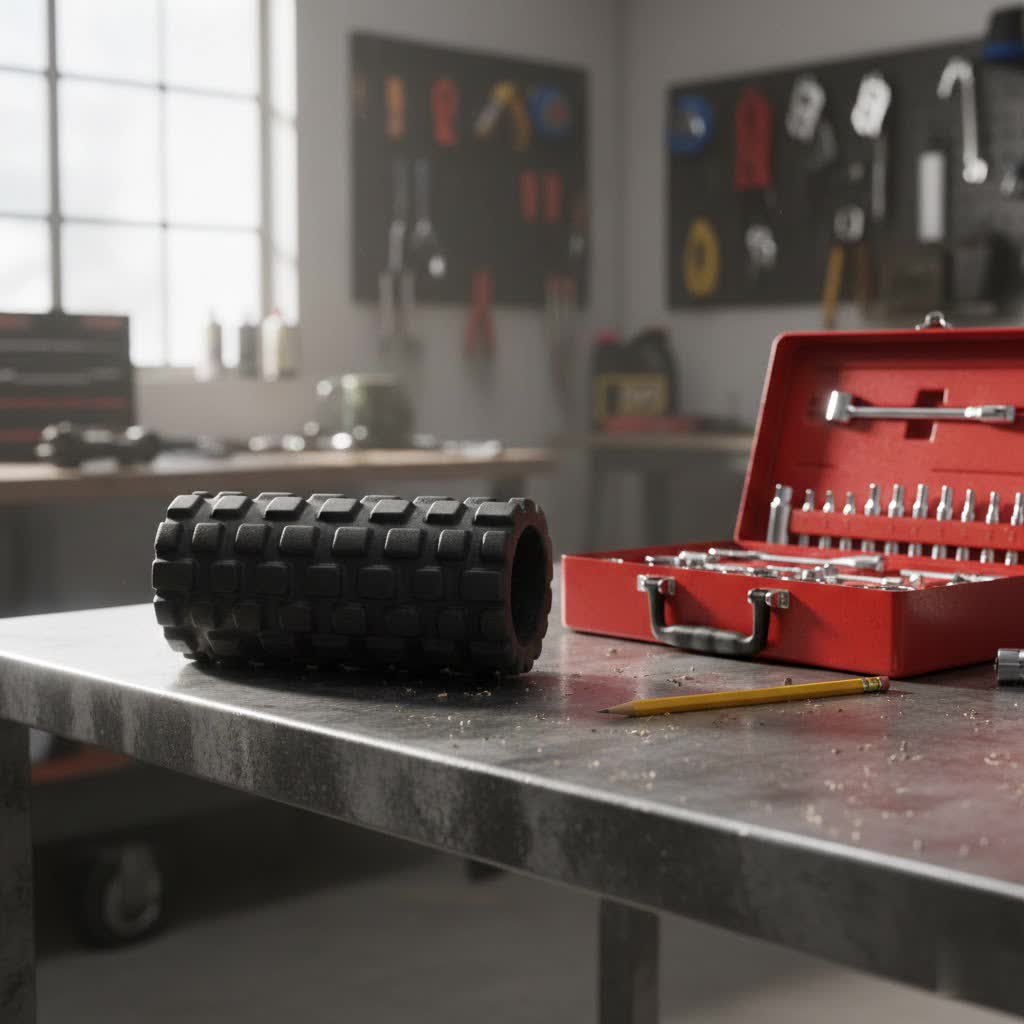
This isn’t just another fitness gadget; it’s a game-changer for anyone looking to alleviate tension, enhance flexibility, and move with greater freedom. As experts in recovery, we at Reviewters Recovery believe that understanding and properly utilizing a chest stretch foam roller can be one of the most impactful additions to your self-care arsenal.
Understanding Your Tight Chest: Why We Need a Release
Before we dive into how to use a chest stretch foam roller, let’s talk about why your chest might be feeling so tight in the first place. Think about your day: how much time do you spend sitting, typing, driving, or looking down at a screen? These common activities force our shoulders to round forward, shortening the pectoral muscles (Pec Major and Pec Minor) in our chest. Over time, this sustained shortening can lead to:
- Rounded Shoulders and Poor Posture: The chest muscles pull your shoulders forward, contributing to that “slumped” look.
- Upper Back and Neck Pain: Your body tries to compensate for the chest tightness, leading to strain in other areas.
- Limited Shoulder Mobility: Activities like reaching overhead or even throwing can become difficult and painful.
- Shallow Breathing: A tight chest can restrict the expansion of your rib cage, making deep, restorative breaths less accessible.
- Reduced Athletic Performance: Whether you’re lifting weights, playing a sport, or just enjoying a casual jog, restricted chest movement can hinder your power and efficiency.
The good news is, a chest stretch foam roller directly addresses these issues by gently extending and releasing these tight muscles.
The Chest Stretch Foam Roller: Your Secret Weapon
So, what exactly does a chest stretch foam roller do, and why is it so effective? At its core, foam rolling is a form of self-myofascial release (SMR), a technique used to massage and release tension in your fascia – the connective tissue surrounding your muscles. When applied to the chest, it offers both SMR and a passive stretch, providing multiple benefits:
- Improves Posture: By lengthening shortened pec muscles, it helps pull your shoulders back and promotes a more upright, aligned spine.
- Increases Flexibility and Range of Motion: It allows your shoulder joints to move more freely, which is crucial for daily tasks and athletic performance.
- Alleviates Muscle Soreness and Tension: Releases knots and tight spots, reducing post-workout discomfort or chronic stiffness from inactivity.
- Enhances Recovery: Promotes blood flow to the muscles, aiding in faster recovery.
- Deepens Breathing: By opening up the chest cavity, it can significantly improve your ability to take fuller, deeper breaths.
- Reduces Shoulder Pain: Addresses a common root cause of shoulder discomfort by improving mobility and reducing muscle imbalance.
It’s about more than just feeling good; it’s about restoring optimal function to your upper body.
Choosing Your Perfect Partner: Types of Foam Rollers for Chest Stretches
When it comes to selecting a chest stretch foam roller, one size doesn’t necessarily fit all. The market offers a variety of options, each with specific characteristics that can enhance or hinder your experience. Here’s what to consider:
Density: Soft vs. Firm
- Soft Density: Ideal for beginners or those with high sensitivity. It provides a gentler massage and is less intimidating. If you’re new to foam rolling, start here to allow your muscles to get accustomed to the pressure.
- Firm Density: Offers a more intense, deeper tissue massage. Experienced users or individuals with significant muscle tightness might prefer a firm roller for a more profound release. However, avoid going too firm too soon, as it can cause discomfort or even bruising.
|
Our Picks for the Best Foam Roller in 2026
As an Amazon Associate I earn from qualifying purchases.
|
||
| Num | Product | Action |
|---|---|---|
| 1 | High Density Foam Roller Massager for Deep Tissue Massage of The Back and Leg Muscles - Self Myofascial Release of Painful Trigger Point Muscle Adhesions - 13" Blue |

|
| 2 | Yes4All High-Density EPP Round Back Roller Foam, Exercise Foam Roller for Yoga, Pilates & Stretching - 12, 18, 24, 36 inch |
|
| 3 | 321 Strong Foam Roller - Medium Density Deep Tissue Massager for Muscle Massage and Myofascial Trigger Point Release, with 4K eBook |
|
| 4 | Amazon Basics High Density Foam Roller |
|
| 5 | Amazon Basics High Density Foam Roller |
|
| 6 | Amazon Basics High Density Foam Roller |
|
| 7 | Amazon Basics High Density Foam Roller |
|
| 8 | Tiger Ball Peanut 2.4 Foam Roller – Deep Tissue Massage Ball for Back & Neck, Myofascial Trigger Point Therapy Tool, Dual Silicone Balls with Gription – Compact, Portable, Non-Slip Recovery Roller |
|
| 9 | Amazon Basics High Density Foam Roller |
|
| 10 | TriggerPoint Grid 1.0 Foam Roller - 13" Multi-Density Massage Roller for Deep Tissue & Muscle Recovery - Relieves Tight, Sore Muscles & Kinks, Improves Mobility & Circulation - Targets Key Body Parts |
|
Surface: Smooth vs. Textured/Grid
- Smooth Rollers: These are versatile and distribute pressure evenly across the muscle. They’re a great all-around choice for general muscle release, including chest stretches.
- Textured or Grid Rollers: Designed with specific patterns (knobs, ridges, grids) to mimic the fingers or thumbs of a massage therapist. They can target specific trigger points and offer a more intense, localized massage. For the chest, a textured roller can sometimes dig deeper into those stubborn knots, especially near the shoulder insertion points.
Length: Long vs. Short
- Long Rollers (36+ inches): Highly recommended for chest stretches, as they allow you to lie lengthwise, supporting your entire spine from your tailbone to your head. This provides stability and ensures proper spinal alignment during the stretch.
- Short Rollers (12-18 inches): More portable and useful for targeting smaller, localized areas. While you can use them for the chest, they won’t offer the full spinal support of a longer roller.
Specialty Tools
- Massage Balls: While not a traditional foam roller, smaller massage balls (like lacrosse balls) can be excellent for highly targeted work on the pectoralis minor or around the shoulder joint, allowing for pinpoint pressure.
- Vibrating Foam Rollers: These incorporate vibration to help penetrate deeper into the muscle tissue, potentially reducing discomfort and enhancing muscle relaxation. They are a premium option for advanced users.
For most people starting with a chest stretch foam roller, a long (36-inch), smooth, medium-density roller is often the best choice. It provides stability and effective, yet manageable, pressure.
Mastering the Move: Step-by-Step Chest Stretch Foam Roller Technique
Ready to unlock your chest? Here’s how to perform the foundational chest stretch foam roller exercise correctly and safely.
The Basic Lie-Down Chest Opener
This is the most common and effective technique for opening the entire chest.
- Setup: Place your long foam roller on the floor. Sit on the floor with the very end of the foam roller positioned at your tailbone. Slowly lie back onto the foam roller, ensuring your entire spine, from your tailbone to the back of your head, is supported by the roller. Your head should rest comfortably on the roller, not hanging off. Bend your knees, place your feet flat on the floor, about hip-width apart, to provide a stable base and keep a neutral curve in your lower back.
- Arm Placement (T-Position): Gently extend your arms out to the sides, forming a “T” shape with your body. Keep your elbows slightly bent and your palms facing upwards. Allow gravity to do the work; you should feel a gentle stretch across your chest and the front of your shoulders as your arms relax towards the floor.
- Breathing: This is crucial. Breathe deeply and calmly. Inhale slowly, feeling your rib cage expand, and then exhale fully, letting your chest soften and sinking deeper into the stretch. Visualize releasing tension with each exhale.
- Hold Time: Hold this position for 30 to 60 seconds, or even up to a few minutes if comfortable. Consistency is key, so don’t rush it.
- Exiting the Stretch: To safely come off the foam roller, gently roll to one side and slowly push yourself up to a seated position, using your arms for support. Avoid sitting up directly from the roller, as this can strain your neck or back.
Advanced Variations (Once You’re Comfortable)
- Y-Position Stretch: From the T-position, slowly move your arms upwards and outwards to form a “Y” shape. This targets the upper chest and shoulders more intensely. You can gently sweep your arms between the T and Y positions to explore different angles of the stretch.
- Arm Sweeps: While in the basic chest opener position, slowly sweep your arms in an arc from your sides up towards your head (like making a snow angel). Keep your arms slightly bent and palms up. This dynamic movement can help identify and release various tight spots.
Don’t Trip Up: Common Foam Rolling Mistakes to Avoid
Even with the best intentions, it’s easy to make mistakes when using a chest stretch foam roller. Avoiding these pitfalls will ensure you get the most benefit and prevent injury:
- Rolling Too Fast: Foam rolling isn’t a race. Rushing through the movement prevents your muscles and fascia from responding effectively. Slow, deliberate movements allow the tissue to relax and release. If you find a tender spot, pause on it for 20-30 seconds, breathe deeply, and allow the pressure to work.
- Over-Focusing on One Spot: While it’s good to spend time on tender areas, lingering too long (more than 90 seconds) on a single spot can irritate nerves or bruise tissue. Balance targeted work with broader strokes.
- Targeting Pain Directly: Pain is a warning sign. If you feel sharp or radiating pain, stop immediately. Foam rolling directly on an inflamed area or injury can worsen the condition. Instead, work on the surrounding muscles that might be contributing to the pain. For instance, if your shoulder hurts, try releasing your lats or upper back first.
- Poor Posture While Rolling: Just because you’re lying down doesn’t mean posture doesn’t matter. Maintain a neutral spine; avoid arching your lower back excessively or letting your hips sag. Engage your core gently to stabilize your body. If you’re struggling, try recording yourself or asking a fitness professional for guidance.
- Using a Roller That’s Too Hard: Beginners often jump to the firmest roller, thinking “more pain, more gain.” This is a myth. An excessively hard roller can cause muscles to tense up in defense, hindering release and potentially causing bruising or injury. Start with a softer roller and gradually increase density as your body adapts.
- Flexing the Muscle: The goal is relaxation. When performing a chest stretch foam roller exercise, actively try to relax the muscles you are targeting. This allows the roller to sink deeper into the tissue and achieve a more effective release.
- Ignoring the Ends of the Muscle: For optimal benefit, try to work the entire length of the muscle, including its attachment points. For the chest, this means getting close to the shoulder and collarbone areas, as well as the sternum.
Maximizing Your Results: Expert Tips for Your Chest Stretch Foam Roller Routine
To truly harness the power of your chest stretch foam roller, incorporate these expert tips into your routine:
- Consistency is Key: Like any good habit, regular foam rolling yields the best results. Aim for 3-5 times a week, or even daily if you spend a lot of time hunched over.
- Listen to Your Body: Distinguish between “good pain” (discomfort from releasing tight tissue) and “bad pain” (sharp, radiating, or intense pain). Never push into bad pain.
- Combine with Other Stretches: Foam rolling is excellent, but it works even better when paired with other forms of stretching, like dynamic warm-ups or static stretches. After using your foam roller, perform some gentle dynamic movements for your shoulders.
- When to Use It:
- Pre-Workout Warm-up: Loosen up your chest muscles to improve mobility before strength training or activities involving the upper body.
- Post-Workout Cool-down: Help reduce muscle soreness and aid in recovery after a strenuous session.
- Daily Maintenance: Combat the effects of prolonged sitting or poor posture, even on non-training days.
- Breathe Deeply: As mentioned, conscious breathing enhances the stretch and promotes relaxation, allowing your muscles to release more effectively.
- Stay Hydrated: Well-hydrated fascia is more pliable. Drink plenty of water throughout the day to support tissue health.
Dr. Elena Petrova, a renowned physical therapist and recovery specialist, suggests, “The chest stretch with a foam roller isn’t just about feeling good; it’s about reclaiming functional movement and correcting postural habits that silently undermine our health. It’s a small investment with huge returns for your daily comfort and athletic longevity.”
Beyond the Stretch: Long-Term Benefits for Your Well-being
The advantages of integrating a chest stretch foam roller into your routine extend far beyond just loosening tight muscles. Over time, consistent practice can lead to profound improvements in your overall well-being:
- Improved Respiratory Function: A more open chest allows for greater lung capacity and more efficient breathing, which can positively impact everything from athletic endurance to stress management.
- Stress Reduction: The act of self-massage and deep stretching can trigger your parasympathetic nervous system, promoting relaxation and reducing feelings of stress and anxiety.
- Enhanced Body Awareness: Regularly engaging with your body through foam rolling helps you become more attuned to areas of tension and imbalance, empowering you to address issues proactively.
- Better Sleep Quality: Releasing physical tension before bed can contribute to deeper, more restorative sleep.
Integrating Foam Rolling into Your Daily Life
Making the chest stretch foam roller a regular part of your routine doesn’t have to be a chore. Here are some simple ways to integrate it:
- Morning Routine: Start your day with 5-10 minutes of chest rolling to wake up your body and counteract overnight stiffness.
- Desk Breaks: If you have a sedentary job, take a few minutes every couple of hours to hop on your foam roller for a quick chest opener.
- Post-Workout Ritual: Dedicate 5 minutes after your upper body or full-body workouts to focus on your chest, shoulders, and upper back.
Frequently Asked Questions (FAQ)
How long should I hold a chest stretch on a foam roller?
Aim to hold the basic chest stretch for 30 to 60 seconds. If you find a particularly tight spot, you can linger for up to 90 seconds, breathing deeply and allowing the muscle to release.
Can a foam roller fix rounded shoulders?
Yes, a chest stretch foam roller can significantly help improve rounded shoulders. By releasing tightness in the pectoral muscles that pull the shoulders forward, it allows your shoulders to naturally retract into a more aligned, upright posture. Consistency is crucial for long-term correction.
What kind of foam roller is best for chest tightness?
For most individuals, especially beginners, a long (36-inch), smooth, medium-density foam roller is ideal for chest tightness. The length provides full spinal support, while the smooth surface and medium density offer effective yet comfortable pressure for releasing the pectoral muscles.
When should I not use a foam roller for my chest?
Avoid using a foam roller if you have an acute injury in your chest or shoulder, sharp nerve pain, numbness or tingling, or have had recent upper body surgery. Always consult a healthcare professional if you’re unsure or experience persistent pain.
Is it normal to feel pain while foam rolling my chest?
It’s normal to feel some discomfort or a “good pain” sensation, especially when working on tight areas. This indicates that the foam roller is effectively releasing tension. However, if you experience sharp, intense, or radiating pain, stop immediately and adjust your position or consult a professional.
Conclusion
The chest stretch foam roller is more than just a piece of equipment; it’s a tool for empowerment, enabling you to take control of your body’s stiffness, improve your posture, and enhance your overall quality of life. By understanding its benefits, selecting the right roller, mastering the techniques, and avoiding common mistakes, you can unlock a new level of mobility and comfort. So, roll out the tension, breathe deeper, and embrace the profound difference a focused chest stretch can make. Your body will thank you.
