Imagine stepping off a long-haul flight, your back stiff from cramped seats, or finishing a day of exploring a new city with legs that feel like jelly. The joys of travel often come with a side of aches and pains, leaving you yearning for comfort and quick recovery. But what if you could bring your recovery secret weapon with you, no matter where your adventures take you? Enter the travel foam roller – a compact, lightweight marvel designed to keep your body feeling its best, even when you’re miles from home.
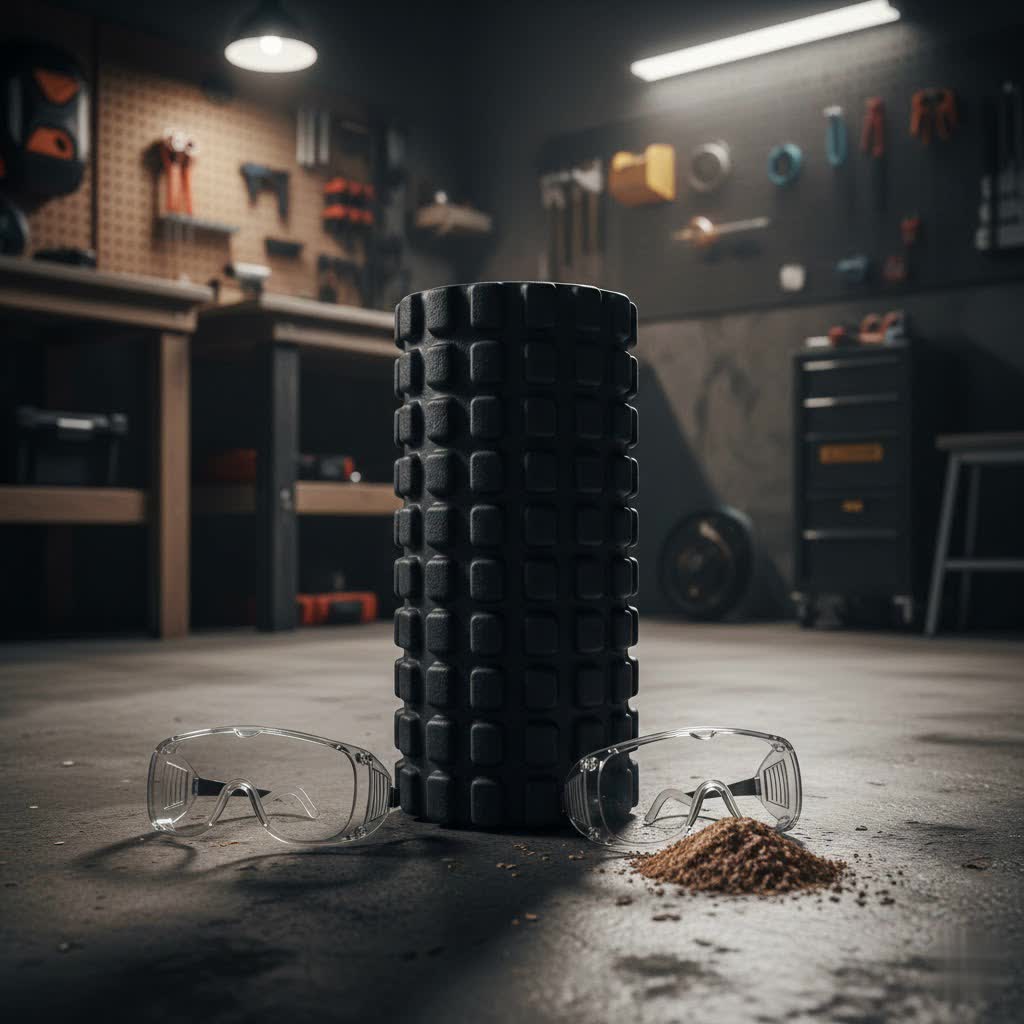
This isn’t just another gadget; it’s your personal portable masseuse, ready to melt away tension and rejuvenate tired muscles. At Reviewters Recovery, we believe that maintaining your physical well-being shouldn’t be sacrificed for your wanderlust. A travel foam roller ensures you can stay mobile, comfortable, and ready for whatever your journey throws at you.
What is a Travel Foam Roller and Why Do You Need One?
A travel foam roller is, at its heart, a more compact and portable version of the traditional foam roller you might find in a gym. These ingenious tools are specifically designed to be lightweight and space-efficient, making them the perfect companion for any suitcase or carry-on. But why should you bother making space for one?
Foam rolling is a form of self-myofascial release (SMR), a fancy term for self-massage that targets your fascia – the connective tissue surrounding your muscles – and the muscles themselves. When you travel, whether it’s long hours sitting in a car, train, or plane, or pushing your body with new activities like hiking or sightseeing, your muscles can get tight, develop knots, and lose flexibility. A travel foam roller helps address these issues by:
- Alleviating Travel-Induced Aches and Pains: That nagging lower back pain after a flight? Stiff hamstrings from a day of walking? A quick session with your travel foam roller can significantly reduce discomfort and release built-up tension.
- Enhancing Mobility and Flexibility: Regular rolling keeps your muscles pliable and your joints moving freely. This is crucial for preventing injuries and ensuring you can fully enjoy every aspect of your trip, from spontaneous beach volleyball to navigating bustling markets.
- Speeding Up Recovery: After an intense day of activity, your muscles need love. Foam rolling increases blood flow to worked areas, helping to flush out metabolic waste and deliver fresh nutrients, leading to faster recovery and less soreness.
- Promoting Relaxation and Stress Relief: Beyond the physical benefits, the act of foam rolling can be incredibly calming. Taking a few minutes to focus on your body and release tension can be a wonderful way to de-stress after a chaotic travel day or before winding down for the night.
“Traveling often puts our bodies in unfamiliar and sometimes uncomfortable positions, leading to muscle imbalances and tightness,” explains Dr. Elara Vance, Lead Sports Physiotherapist at Reviewters Recovery. “A travel foam roller empowers individuals to take proactive steps in their recovery, preventing minor discomforts from turning into major roadblocks on their trip.”
Choosing Your Perfect Travel Companion: Types of Travel Foam Rollers
Just like finding the right travel bag, picking the ideal travel foam roller involves a few key considerations. The market offers a surprising variety, each with unique features tailored for the discerning traveler.
Size and Portability
This is paramount for a travel foam roller. You’ll generally find a few categories:
- Mini/Compact Rollers: These are shorter and smaller in diameter than standard rollers, often around 4-12 inches in length. They’re excellent for targeting specific muscle groups and can easily tuck into a backpack or carry-on.
- Collapsible Rollers: Designs like the Brazyn Morph are revolutionary. They fold flat, reducing their profile significantly for ultimate packability. When ready to use, they pop open into a full-sized roller.
- Hollow Core Designs: Many travel foam rollers feature a hollow interior. This not only makes them lighter but also allows you to pack small items (like socks or underwear) inside, maximizing your luggage space.
|
Our Picks for the Best Foam Roller in 2026
As an Amazon Associate I earn from qualifying purchases.
|
||
| Num | Product | Action |
|---|---|---|
| 1 | Yes4All High-Density EPP Round Back Roller Foam, Exercise Foam Roller for Yoga, Pilates & Stretching - 12, 18, 24, 36 inch |

|
| 2 | Amazon Basics High Density Foam Roller |
|
| 3 | Tiger Ball Peanut 2.4 Foam Roller – Deep Tissue Massage Ball for Back & Neck, Myofascial Trigger Point Therapy Tool, Dual Silicone Balls with Gription – Compact, Portable, Non-Slip Recovery Roller |
|
| 4 | 321 Strong Foam Roller - Medium Density Deep Tissue Massager for Muscle Massage and Myofascial Trigger Point Release, with 4K eBook |
|
| 5 | Amazon Basics High Density Foam Roller |
|
| 6 | Amazon Basics High Density Foam Roller |
|
| 7 | High Density Foam Roller Massager for Deep Tissue Massage of The Back and Leg Muscles - Self Myofascial Release of Painful Trigger Point Muscle Adhesions - 13" Blue |
|
| 8 | Amazon Basics High Density Foam Roller |
|
| 9 | Amazon Basics High Density Foam Roller |
|
| 10 | TriggerPoint Grid 1.0 Foam Roller - 13" Multi-Density Massage Roller for Deep Tissue & Muscle Recovery - Relieves Tight, Sore Muscles & Kinks, Improves Mobility & Circulation - Targets Key Body Parts |
|
Density and Texture
The “feel” of your foam roller largely determines its intensity and effectiveness for different needs:
- Soft Density: Ideal for beginners or those with more sensitive muscles. It offers a gentler massage and is good for general relaxation.
- Firm Density: Delivers a deeper, more intense massage, targeting stubborn knots and trigger points. Experienced foam rollers often prefer this for effective myofascial release.
- Smooth Texture: Provides even pressure across the muscle, great for broad areas and general soreness.
- Textured/Noduled Surface: Features bumps, ridges, or grooves designed to mimic a therapist’s fingers, reaching deeper into the muscle tissue for a more targeted and intense deep-tissue massage. The RumbleRoller, for example, is known for its firm, textured surface.
Special Features
While core functionality is key, some travel foam rollers offer advanced features:
- Vibrating Rollers: Brands like Hyperice and Therabody offer vibrating travel-sized rollers. The vibration can help to further relax muscles, increase circulation, and enhance the deep tissue massage experience. While pricier, many find the added benefits worthwhile.
- Dual-Layer Designs: Some rollers, like the Lululemon Double Roller, feature an outer, softer layer and a firmer inner core, allowing you to customize the pressure intensity.
When selecting your travel foam roller, think about your primary needs: Are you looking for gentle relief after a long day of sightseeing, or deep tissue work after a strenuous hike? Prioritize weight and dimensions that suit your typical luggage, and consider the density and texture that your body responds best to.
Mastering the Roll: Techniques for Using Your Travel Foam Roller
Using a travel foam roller is straightforward, but good technique makes all the difference. The goal is to apply pressure to tight muscles and trigger points to encourage release and increase blood flow.
General Principles for Effective Rolling:
- Go Slow and Controlled: Resist the urge to rush. Slow, deliberate movements are far more effective than rapid rolling.
- Find Your “Sweet Spot”: As you roll, you’ll likely encounter tender areas – these are your knots or trigger points. When you find one, pause and hold pressure on that spot for 20-30 seconds. Breathe deeply to help your muscles relax into the pressure.
- Discomfort is Normal, Pain is Not: It’s common to feel some discomfort, often described as a “good pain.” However, if you feel sharp, shooting pain, or numbness, ease up immediately. You can bruise muscles if you roll too intensely.
- Engage Your Core: Maintaining a slight core engagement helps stabilize your body and protect your spine, especially when rolling your back.
- Hydrate: Drink plenty of water before and after foam rolling to aid in muscle recovery and tissue hydration.
Targeted Exercises for Common Travel Ailments:
Here are some essential moves you can do with your travel foam roller, targeting muscles often affected by travel:
1. Upper Back Roll
- How: Lie on your back with the foam roller positioned horizontally under your upper back, just below your neck. Cross your arms over your chest or place your hands behind your head for support.
- Technique: Lift your hips slightly off the floor and slowly roll from your mid-back up to your shoulders. Avoid rolling directly on your neck or lower back. Focus on releasing tension between your shoulder blades.
2. Hip Flexor Release
- How: Lie face down, placing the roller horizontally under one hip, just below your hip bone. Extend the leg you are rolling straight back and bend the other knee out to the side for support.
- Technique: Gently roll back and forth a few inches over your hip flexor area. This area can get extremely tight from prolonged sitting.
3. Quadriceps Roll
- How: Start in a plank position, placing the foam roller horizontally under your thighs. Support yourself on your forearms.
- Technique: Use your forearms and feet to slowly roll from just above your knees up to your hip bones. You can roll both quads simultaneously or shift your weight to one side for more intense, targeted pressure on one thigh at a time.
4. Hamstring Stretch & Release
- How: Sit on the floor with one leg extended and the foam roller under your hamstring. Place your hands on the floor behind you for support. You can cross your other leg over the one you’re rolling for added pressure.
- Technique: Slowly roll from just above your knee up to your glutes. Pay attention to any tight spots and hold.
5. Calf Muscle Massage
- How: Sit on the floor with one leg extended, placing the roller under your calf. You can cross your other leg over the top of the ankle for increased pressure. Prop yourself up with your hands.
- Technique: Lift your glutes slightly and slowly roll from your ankle up to just below your knee. Rotate your leg slightly inward and outward to hit different parts of the calf muscle.
6. IT Band Roll
- How: Lie on your side, placing the foam roller under your outer thigh, just below your hip. Support your upper body with your forearm and place your top foot on the floor in front of you for stability.
- Technique: Slowly roll from your hip down to just above your knee. This can be a very tender area, so proceed with caution and adjust pressure as needed.
7. Glute Release
- How: Sit on the foam roller. Cross one ankle over the opposite knee (like making a “figure four”). Lean towards the glute of the crossed leg.
- Technique: Gently roll back and forth over the glute area, focusing on any tight spots. This helps alleviate hip and lower back tension.
Integrating Foam Rolling into Your Travel Routine
Making a travel foam roller part of your journey can significantly improve your overall experience.
- Pre-Travel Prep: Before a long flight or road trip, spend 5-10 minutes foam rolling your hip flexors, quads, and glutes. This can improve circulation and reduce initial stiffness, making the journey more comfortable.
- During Travel (Short Breaks): If you have layovers or rest stops, a quick 2-3 minute roll on key areas like your calves or lower back can make a huge difference.
- Upon Arrival/Post-Activity: This is where your travel foam roller truly shines. After checking into your hotel or finishing a day of hiking, dedicate 10-15 minutes to rolling out your entire body. This aids recovery and prepares you for the next day’s adventures.
- Daily Maintenance: Even on rest days during your trip, a short 5-minute session can help maintain muscle health and keep you feeling refreshed.
FAQs About Travel Foam Rollers
Q: How often should I use a travel foam roller?
A: For general maintenance and travel-induced stiffness, 5-10 minutes daily or every other day can be highly beneficial. For specific sore spots, you can target them for 2-5 minutes at a time, several times a day if needed, but always listen to your body and avoid over-rolling a painful area.
Q: Is a travel foam roller as effective as a full-sized one?
A: Absolutely! While shorter, travel foam rollers are designed to deliver the same deep tissue benefits. Their compact size often makes them easier to maneuver for targeting specific muscles, arguably making them more effective for isolated work than a bulky full-sized roller.
Q: What’s the difference between smooth and textured travel foam rollers?
A: Smooth rollers provide even, broad pressure, ideal for beginners or general muscle soreness. Textured rollers, with their bumps and ridges, dig deeper into muscle tissue to target knots and trigger points more intensely. Choose based on your sensitivity and desired depth of massage.
Q: Can I use a travel foam roller if I’m a beginner?
A: Yes! Start with a softer, smooth travel foam roller. Focus on gentle pressure and shorter durations (10-15 seconds per spot) until your body adjusts. Always prioritize comfort over intensity.
Q: How do I pack a travel foam roller?
A: Mini rollers fit easily inside backpacks or carry-ons. Collapsible rollers fold flat and can be slipped into laptop sleeves or between clothes. For hollow-core rollers, pack small items like socks, underwear, or charging cables inside to save space.
Q: Are vibrating travel foam rollers worth the extra cost?
A: For many, the added cost is justified. The vibration can significantly enhance muscle relaxation, increase circulation, and allow for a deeper, more comfortable release of tight muscles. If you regularly deal with stubborn knots or appreciate advanced recovery tools, a vibrating travel foam roller can be a game-changer.
Embrace Freedom, Roll On!
Travel should be an experience of exploration and enjoyment, not discomfort. A travel foam roller is more than just a piece of fitness equipment; it’s an investment in your well-being, ensuring you can embrace every adventure feeling limber, recovered, and ready for more. So, the next time you’re packing your bags, remember to carve out a little space for this mighty recovery tool. Your body will undoubtedly thank you for it, allowing you to explore the world with renewed energy and comfort.
