If you’ve ever felt those nagging knots, persistent tightness, or deep muscle soreness that just won’t quit, you’ve likely considered various ways to find relief. Enter the spiky foam roller – a tool that looks a bit intimidating but promises to be your secret weapon for a truly profound muscle release. At Reviewters Recovery, we believe in empowering you with the knowledge to make the best choices for your body, and understanding the spiky foam roller is key to unlocking a whole new level of self-care and recovery. This isn’t just about surface-level relief; it’s about digging deep to address the root of muscle discomfort.
What Exactly is a Spiky Foam Roller?
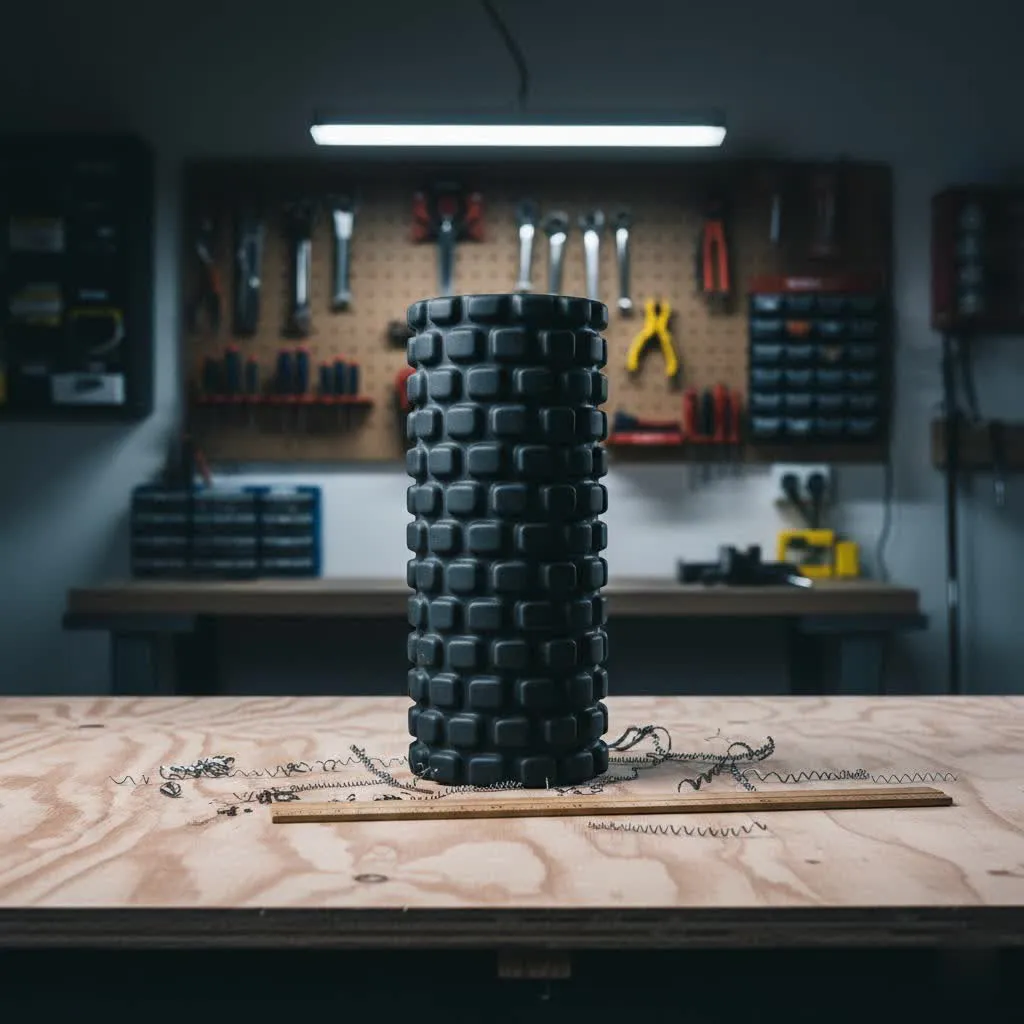
Imagine a regular foam roller, but with an attitude. A spiky foam roller is a cylindrical recovery tool adorned with raised bumps, knobs, or spikes across its surface. Unlike its smooth counterpart, which distributes pressure evenly, the spiky design concentrates pressure into smaller, more focused points. This unique construction is specifically engineered for targeted deep tissue massage and trigger point release.
So, how does this spiked wonder work its magic? When you roll over your muscles with a spiky foam roller, those strategically placed spikes apply intense, localized pressure. This action is crucial for what’s known as myofascial release, a fancy term for alleviating tension and tightness in your fascia – the connective tissue that encases your muscles. This concentrated pressure helps to break up adhesions and scar tissue, often referred to as “knots,” which can restrict movement and cause pain. By stimulating these deeper tissues, a spiky foam roller encourages increased blood flow and oxygen delivery to the muscles, reducing inflammation and promoting faster healing. Some theories also suggest that this external input stimulates neural receptors, signaling your brain to tell your muscles to relax.
Spiky vs. Smooth: Which Roller is Right for You?
Choosing between a spiky and a smooth foam roller can feel like deciding between a gentle massage and a deep tissue session. Both have their place, but understanding their differences is crucial for effective recovery.
The Smooth Operator
A smooth foam roller is often the entry point for many into the world of self-myofascial release. It offers a broader, more even distribution of pressure, making it ideal for:
- Beginners: It’s less intense and allows you to get accustomed to the sensation of foam rolling.
- General Warm-ups and Cool-downs: Excellent for preparing larger muscle groups for activity or gently easing them back down afterward.
- Broad Muscle Coverage: Great for sweeping over large areas like your entire back, quads, or hamstrings without overly aggressive pressure.
- Light Recovery: Perfect for daily maintenance and reducing general muscle stiffness.
|
Our Picks for the Best Foam Roller in 2026
As an Amazon Associate I earn from qualifying purchases.
|
||
| Num | Product | Action |
|---|---|---|
| 1 | 321 Strong Foam Roller - Medium Density Deep Tissue Massager for Muscle Massage and Myofascial Trigger Point Release, with 4K eBook |

|
| 2 | Yes4All High-Density EPP Round Back Roller Foam, Exercise Foam Roller for Yoga, Pilates & Stretching - 12, 18, 24, 36 inch |
|
| 3 | Tiger Ball Peanut 2.4 Foam Roller – Deep Tissue Massage Ball for Back & Neck, Myofascial Trigger Point Therapy Tool, Dual Silicone Balls with Gription – Compact, Portable, Non-Slip Recovery Roller |
|
| 4 | Amazon Basics High Density Foam Roller |
|
| 5 | Amazon Basics High Density Foam Roller |
|
| 6 | High Density Foam Roller Massager for Deep Tissue Massage of The Back and Leg Muscles - Self Myofascial Release of Painful Trigger Point Muscle Adhesions - 13" Blue |
|
| 7 | Amazon Basics High Density Foam Roller |
|
| 8 | TriggerPoint Grid 1.0 Foam Roller - 13" Multi-Density Massage Roller for Deep Tissue & Muscle Recovery - Relieves Tight, Sore Muscles & Kinks, Improves Mobility & Circulation - Targets Key Body Parts |
|
| 9 | Amazon Basics High Density Foam Roller |
|
| 10 | Amazon Basics High Density Foam Roller |
|
The Deep Dive of the Spiky Roller
The spiky foam roller, on the other hand, is for when you need to go beyond the surface. It’s your go-to for situations demanding more intense, localized relief.
- Targeted Deep Tissue Massage: The spikes dig into specific areas, mimicking the intense pressure of a therapist’s elbow or thumb.
- Trigger Point Release: Those persistent, painful “knots” respond exceptionally well to the focused pressure a spiky roller provides.
- Stubborn Tightness: If you have muscles that consistently feel tight and resistant to lighter pressure, the spiky roller can be a game-changer.
- Experienced Rollers: Individuals who are already comfortable with foam rolling and need a more profound, stimulating experience will appreciate the spiky design.
Think of it this way: a smooth roller is like painting with a broad brush, while a spiky foam roller is a fine-tipped tool, designed for precision work. Many athletes and fitness enthusiasts progress from smooth to spiky rollers as their muscles adapt and they seek deeper, more effective release. As Dr. Lena Petrova, a sports physical therapist and expert on myofascial release, often advises, “A spiky foam roller isn’t just for discomfort; it’s for unlocking deeper movement patterns and accelerating targeted recovery for those who need it most.”
The Unmistakable Benefits of a Spiky Foam Roller
Beyond simply feeling good, consistent use of a spiky foam roller offers a wealth of benefits that contribute to overall physical well-being and peak performance.
- Targeted Deep Tissue Massage: The primary advantage is its ability to penetrate deeper into muscle tissue. The spikes allow for pinpoint accuracy, reaching areas that a smooth roller might simply glide over. This makes it incredibly effective for loosening up dense muscle fibers.
- Trigger Point Release: Those painful, hypersensitive spots within your muscles—trigger points—can be effectively addressed. The concentrated pressure helps these constricted muscle fibers relax, alleviating referred pain and restoring normal function.
- Enhanced Blood Flow and Nutrient Delivery: The compression and release action stimulates circulation, bringing fresh, oxygenated blood and vital nutrients to the rolled areas. This improved blood flow is crucial for tissue repair and overall muscle health.
- Improved Mobility and Flexibility: By breaking down adhesions and reducing muscle tension, spiky foam rolling can significantly increase your range of motion around joints and improve overall flexibility. Stiff muscles become more pliable, allowing for greater freedom of movement.
- Faster Muscle Recovery and Reduced DOMS: Post-exercise muscle soreness, known as Delayed Onset Muscle Soreness (DOMS), can be significantly mitigated. By flushing out metabolic waste products and promoting tissue repair, regular rolling can help you bounce back quicker from tough workouts.
- Potential for Injury Prevention: Regular myofascial release helps maintain healthy, pliable muscles, reducing the likelihood of strains, pulls, and other common injuries that arise from tight, restricted tissues. It helps identify and address potential problem areas before they escalate.
Mastering the Spiky Roller: Techniques for Specific Muscle Groups
Using a spiky foam roller effectively means understanding how to target different muscle groups safely and efficiently. Remember, the goal is productive discomfort, not sharp pain.
Back Pain Relief (with caution for lower back)
While spiky foam rollers are excellent for back muscles, it’s generally advised to avoid directly rolling your lower back, as this area has less muscle protection and more bony structures, which can be vulnerable to excessive pressure. Instead, focus on the muscles surrounding and supporting your lower back.
- Upper Back and Lats: Lie on your back with the spiky foam roller positioned horizontally under your upper back, just below your shoulder blades. Cross your arms over your chest or place your hands behind your head. Lift your hips slightly and slowly roll up and down from your mid-back to your shoulders. Focus on your latissimus dorsi by leaning slightly to one side and rolling diagonally from your armpit down your side.
- Glutes: Sit on the roller with one glute. Cross the ankle of that leg over the opposite knee. Lean into the glute you’re rolling, using your hands for support. Slowly roll back and forth, side to side, focusing on any tender spots. This can be incredibly effective for releasing tension that contributes to lower back pain.
- Hip Flexors: Lie face down, placing the roller under one hip flexor (just below your hip bone at the front of your pelvis). Extend that leg straight back and use your forearms and the other leg for support. Gently rock side to side and slightly up and down to massage the area. This can help unlock tightness often linked to prolonged sitting.
Leg Day Recovery
Your legs often bear the brunt of daily activities and workouts, making them prime candidates for spiky foam rolling.
- Quads: Lie face down, placing the roller horizontally under your thighs. Use your forearms and core to slowly roll from just above your knees up to your hip flexors. You can rotate your legs slightly inwards and outwards to hit different parts of the muscle.
- Hamstrings: Sit with the roller under one hamstring. Use your hands for support and slowly roll from your glutes down to just above your knee. To increase intensity, stack one leg on top of the other.
- Calves: Sit with the roller under one calf. Use your hands to lift your hips and roll from your ankle to just below your knee. Rotate your leg to hit the inner and outer calf muscles.
Those Tricky Spots
For smaller, more specific areas, a spiky foam roller can still provide relief, though for very localized knots, a spiky massage ball might be even more precise.
- Upper Traps/Shoulders: While challenging with a full roller, you can carefully position a spiky foam roller (or a spiky ball) against a wall and lean your upper trap/shoulder onto it, controlling the pressure with your body weight. Gently move your arm to increase the massage effect.
- Chest (Pecs): Lie face down, placing the roller at an angle under your chest near your shoulder. Carefully roll back and forth, finding tight spots in your pectoral muscles.
Pro Tips for an Optimal Spiky Foam Rolling Experience
To get the most out of your spiky foam roller and avoid injury, keep these expert tips from Reviewters Recovery in mind:
- Start Gently and Listen to Your Body: If you’re new to spiky foam rolling, begin with minimal body weight pressure. As your muscles adapt and your pain tolerance improves, you can gradually increase the pressure. “It’s a journey, not a sprint,” says our in-house recovery specialist, Mark Jensen. “Listen to what your body tells you; it’s the best guide.”
- Slow and Steady Wins the Race: Resist the urge to rush. Roll at a pace of approximately one inch per second. When you find a tender spot or “knot,” pause on it for 30 to 60 seconds, allowing the muscle to relax and release.
- Breathe Through the Discomfort: Deep, controlled breathing is crucial. Holding your breath can cause your muscles to tense up, counteracting the benefits of rolling. Inhale as you roll, exhale as you hold pressure on a tender spot.
- Focus on Muscle Bellies, Avoid Bones and Joints: Always target the fleshy part of the muscle. Rolling directly over bones, joints, or your lower spine can cause bruising or injury. If you feel sharp or intense pain that isn’t the “good kind” of discomfort, adjust your position immediately.
- Hydration and Consistency: Staying well-hydrated helps maintain muscle elasticity. Consistent use, even just 5-10 minutes a few times a week, yields the best long-term results.
- When to Avoid: Do not use a spiky foam roller on acute injuries, areas with inflammation, fresh bruising, or open wounds. If you have any medical conditions or chronic pain, consult a healthcare professional before incorporating foam rolling into your routine.
Integrating Spiky Foam Rolling into Your Routine
A spiky foam roller isn’t just for emergencies; it’s a versatile tool that can enhance various aspects of your daily and workout routine.
- Pre-Workout Warm-up: Incorporating a few minutes of spiky foam rolling before your workout can help prepare your muscles for activity. It increases blood flow, improves tissue extensibility, and can enhance your range of motion, setting you up for a more effective and safer session.
- Post-Workout Recovery: After a challenging workout, your muscles are often tight and sore. Spiky foam rolling can be invaluable for post-exercise recovery, helping to reduce muscle soreness, accelerate the removal of metabolic waste, and promote faster repair, getting you ready for your next session sooner.
- Daily Maintenance: Even if you’re not hitting the gym, daily activities can lead to muscle tension. A quick 10-minute session a few times a week can serve as preventative maintenance, keeping your muscles pliable, improving posture, and addressing minor aches before they become major problems.
Frequently Asked Questions About Spiky Foam Rollers
Q: Is a spiky foam roller supposed to hurt?
A: You should expect to feel some productive discomfort or intensity, especially when targeting tight spots or trigger points. However, it should never be sharp, unbearable, or worsening pain. If you experience this, ease off the pressure or stop.
Q: How long should I roll on a spiky foam roller?
A: Generally, spend about 30-60 seconds on each muscle group. If you find a particularly tender spot, hold pressure on it for 30-50 seconds before slowly moving on. Total session time can range from 5 to 20 minutes, depending on your needs.
Q: Can I use a spiky foam roller on my lower back?
A: It is generally advised to avoid directly rolling your lower back due to the lack of muscle protection and the presence of bony structures. Instead, focus on surrounding muscles like the glutes, hip flexors, and upper back to alleviate lower back tension.
Q: How often should I use a spiky foam roller?
A: Consistency is key. You can use it 3-5 times a week for recovery and maintenance. If you’re very sore from a tough workout, waiting a day between sessions on the same muscle group can be beneficial.
Q: What’s the difference between a spiky foam roller and a massage ball?
A: Both offer targeted pressure, but a spiky foam roller covers larger muscle areas with its cylindrical shape and multiple spikes. A massage ball (especially a spiky one) is smaller and more precise, ideal for very specific, smaller trigger points or hard-to-reach areas like the arch of the foot or around the shoulder blade.
At Reviewters Recovery, we’re dedicated to helping you move better and feel better. The spiky foam roller is a powerful tool in your recovery arsenal, offering deep, targeted relief that smooth rollers simply can’t match. By understanding its benefits, proper techniques, and how to integrate it safely into your routine, you can take control of your muscle health and unlock a new level of physical freedom. Don’t let those persistent knots hold you back any longer – grab a spiky foam roller and experience the profound difference for yourself. Your muscles will thank you!
